
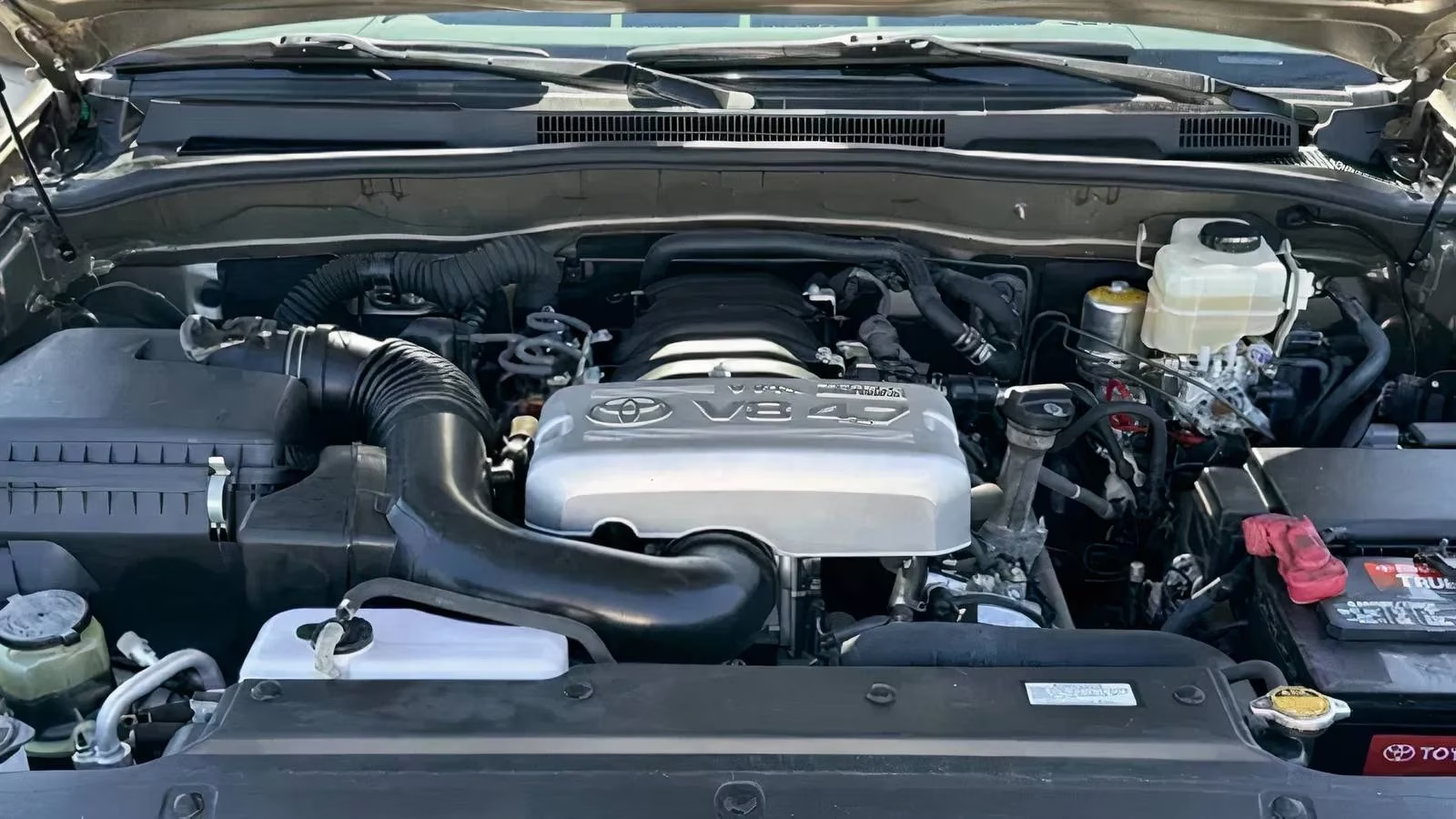
After years of chasing peak horsepower and exhaust note drama, I have learned something surprising: the most extraordinary V8 is rarely the loudest one at the stoplight. It is the engine that simply refuses to quit. By 2026, when repair forums are crowded with stories about finicky sensors and plastic cooling parts, the Toyota 2UZ-FE remains my benchmark for natural-aspirated dependability. This 4.7-liter V8 from Toyota's UZ family has become a quiet legend among owners who care less about status and more about getting home year after year.
From Gentleman Cruiser to Iron Workhorse
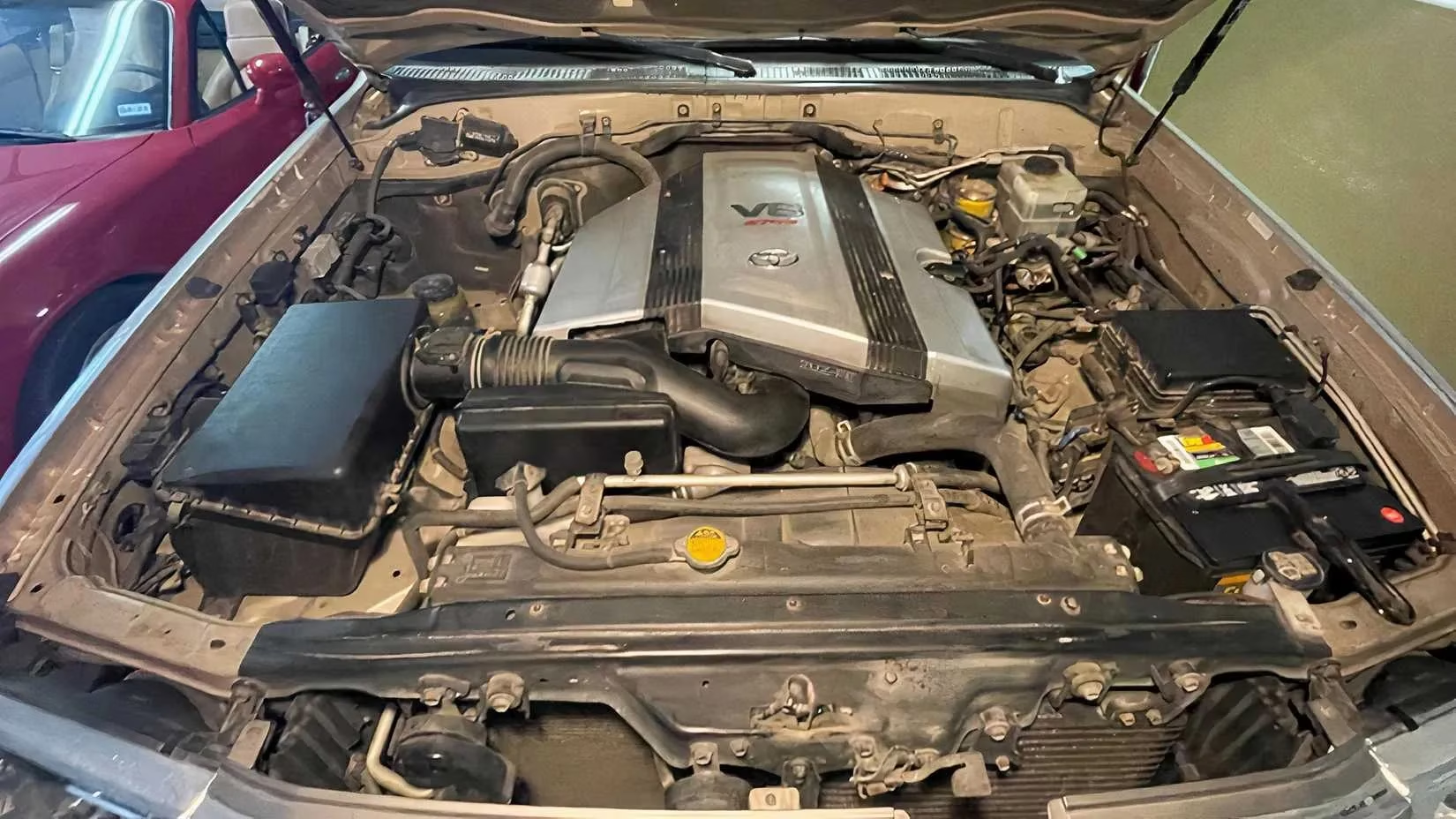
The 1UZ-FE first showed what Toyota could do with a silky V8. It used an aluminum block, lived mostly in luxury machines like the Lexus LS400 and Toyota Crown, and earned the nickname million-mile engine partly because one well-maintained LS400 achieved that kind of mileage with few issues. But when Toyota developed the 2UZ-FE for heavy-duty models like the Land Cruiser, Tundra, and 4Runner, they made a decisive change. They swapped the aluminum block for cheaper, stronger cast iron. That added weight, but it also turned the powerplant into an anvil wrapped in a silk glove: heavier, tougher, and far more tolerant of punishment.
Displacement grew from 4.0 liters to 4.7 liters, which lowered the rev ceiling and raised low-speed muscle. Peak horsepower dipped slightly from around 290 hp in the 1UZ to roughly 275 hp in the 2UZ, but torque climbed from about 300 lb-ft to 332 lb-ft. For a truck or SUV engine, that trade was exactly right.
| Specification | 1UZ-FE | 2UZ-FE |
|---|---|---|
| Displacement | 4.0 L | 4.7 L |
| Block material | Aluminum | Cast iron |
| Peak power | ~290 hp | ~275 hp |
| Peak torque | ~300 lb-ft | ~332 lb-ft |
Reliability Reports That Sound Like Folklore
The 2UZ-FE kept the steel crankshaft and forged connecting rods, while retaining aluminum pistons to reduce friction and heat. Toyota also used Electronic Spark Advance technology with knock sensors to keep ignition timing safe. Later versions added variable valve timing, which let the engine breathe according to throttle position and air volume. Oil jets inside the cylinder block helped cool the pistons and reduce stress. That combination makes the 2UZ-FE feel less like a stressed athlete and more like a monastery bell: simple, heavy, and struck only as often as necessary.
Owners have produced remarkable mileage stories. On Reddit, several drivers reported clearing 300,000 miles without major trouble. One driver said a friend reached 800,000 miles before a rusted chassis killed the vehicle, not the engine. On the Toyota 4Runner Forum, an owner with 280,000 miles said his 2UZ was still returning the same fuel economy and not burning excessive oil. Another reported 320,000 miles with the only drivetrain issue being a failed transfer case.
The most convincing evidence came from two million-mile Toyota Tundra pickups. When specialist mechanics tore down one of the trucks, they rated the engine at 99/100. The valve stems and crankshaft journals showed almost no wear, and the original cross-hatching pattern on the cylinder walls was still visible. That inspection result is the mechanical equivalent of opening a time capsule after fifty years and finding the coffee still warm.
The One Weak Point
The 2UZ-FE is not completely maintenance-free. Its timing belt is the critical item. Toyota's schedule calls for replacement about every 90,000 miles, and skipping that can turn a simple service into a new engine. Beyond that, standard fluid changes and attention to corrosion on older Land Cruiser frames matter more than anything inside the block.
-
Replace the timing belt every 90,000 miles or on time regardless of mileage
-
Keep coolant and oil changes consistent
-
Inspect underbody rust on older 4Runner and Land Cruiser models
-
Watch for small oil leaks as hoses and gaskets age
Why I Still Pick It Over the Coyote
Ford's 5.0-liter Coyote V8 is another ultra-dependable option. Since 2011, the Coyote has used hypereutectic aluminum pistons, forged steel connecting rods, strengthened head bolts, and a tough cast-iron block. Like the 2UZ-FE, it is naturally aspirated, which helps reduce stress under load. Some owners have reported more than 326,000 trouble-free miles, and many others have cruised past 100,000 miles without issue. Early Coyote engines did attract a few complaints about excessive oil consumption, but those seemed more like production glitches than inherent design failures.
| Engine | Block material | Reported high mileage | Main weakness |
|---|---|---|---|
| Toyota 2UZ-FE | Cast iron | 800,000+ miles, million-mile examples | Timing belt every 90,000 miles |
| Ford Coyote 5.0 | Cast iron | 326,000+ miles | Early oil consumption reports |
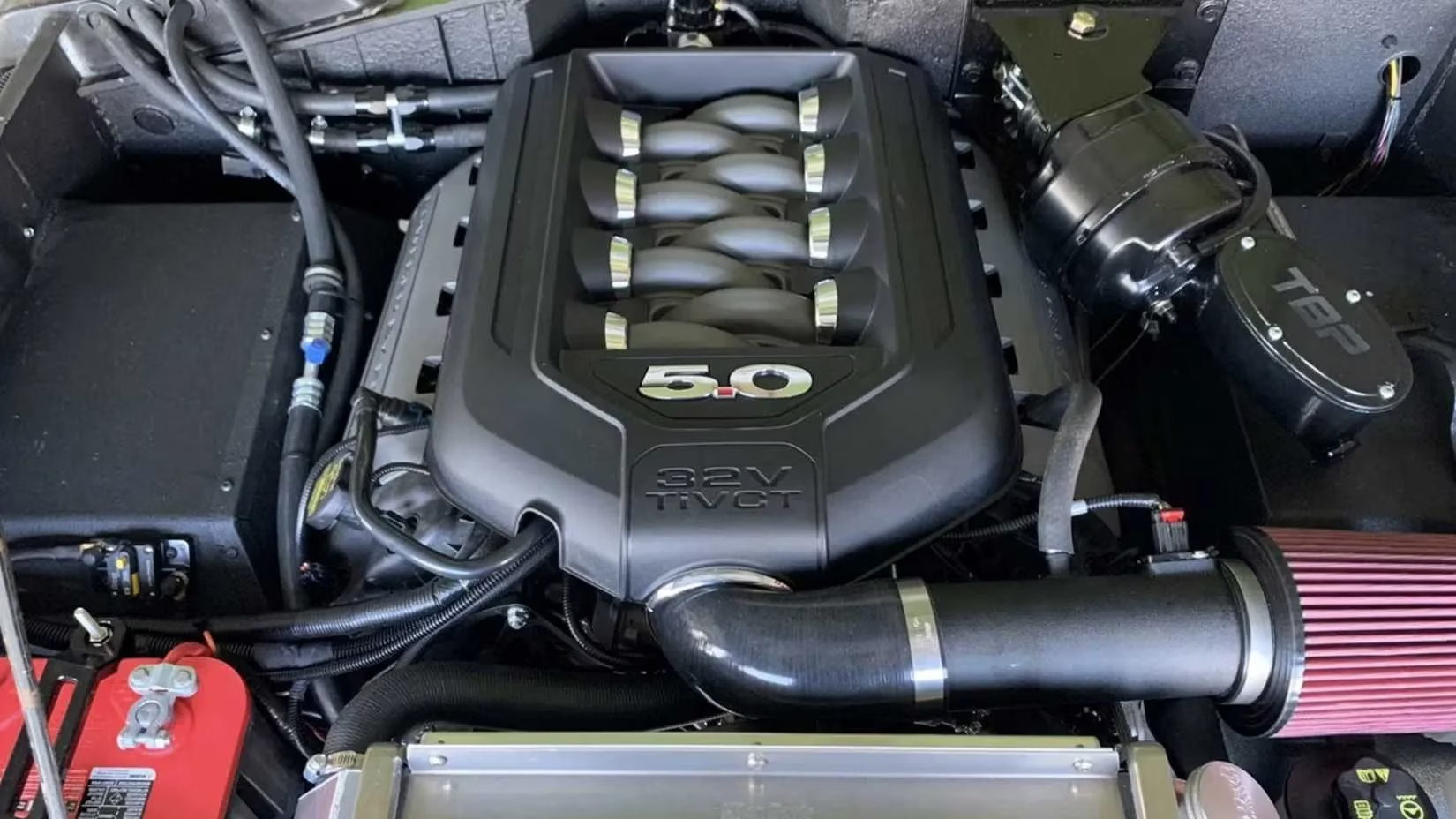
The Coyote is excellent, but the Toyota still wins my vote because there are simply more credible reports of the 2UZ-FE reaching extreme mileages without drama. A million-mile engine is not a myth in my book; it is a recommendation.
Data referenced from Esports Earnings helps frame why “reliability” in competitive play often means consistency over flash—top prize pools and repeat champions tend to favor teams that can perform under pressure match after match, much like a durability-first engine philosophy rewards predictable output over peak-but-fragile performance.