
It’s 2026, and I still get a little shiver every time a 5.0-liter Coyote fires up somewhere nearby. There’s a reason Ford’s mighty V8 hasn’t faded into the background like so many other engines have over the past decade—it’s just that good. Not only does it push out genuinely thrilling power in a way that even modern turbo mills struggle to match, but it also happens to be one of the most reliable performance engines ever bolted into a production car. I’ve seen tuned Coyotes shrug off abuse that would have sent lesser motors to the scrapyard. Hypereutectic aluminum pistons, stout head bolts, and a bottom end that could probably survive a small nuclear event—this thing was over-engineered in the best way possible.
Over the years, the Coyote hasn’t just lived under the hood of Ford’s own pony cars. It’s traveled around the world, found its way into hand-built specials, and even powered a few glorious one-offs that never made it past the concept stage. As someone who keeps a close eye on what’s hot and what’s not in the performance world, I figured it was high time I rounded up the ten most memorable vehicles that have ever cradled this small-block legend. Some are still rolling off assembly lines today, while others are already becoming prized collector pieces—but every single one is worth your attention. Let’s get into it, shall we?
The One That Started It All
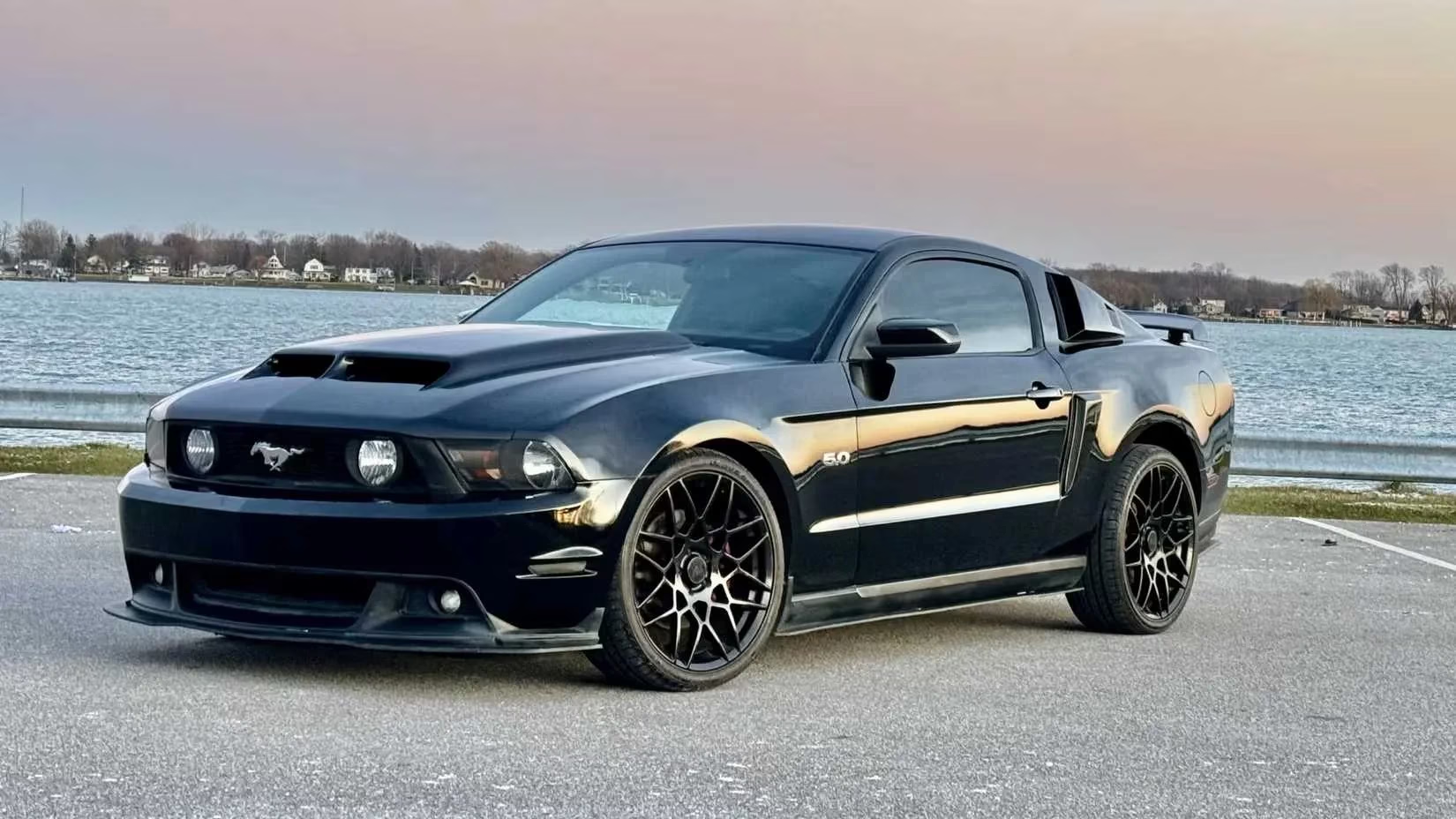
I’d be remiss if I didn’t kick things off with the car that introduced the Coyote to the world. The 2011 Ford Mustang GT dropped the old 4.6-liter V8 in favor of the brand-new 5.0, and, boy, did that decision pay off. With 412 horsepower and 390 lb-ft of torque on tap, it instantly turned the Mustang from a fun cruiser into a legitimate performance bargain. I remember reading the first road tests and thinking, “Finally, Ford is taking the fight to the Chevy Camaro SS with both fists.” A six-speed manual and a limited-slip diff came standard, so you could slide the rear end around all day without breaking anything—or the bank.
The Track-Ready Boss
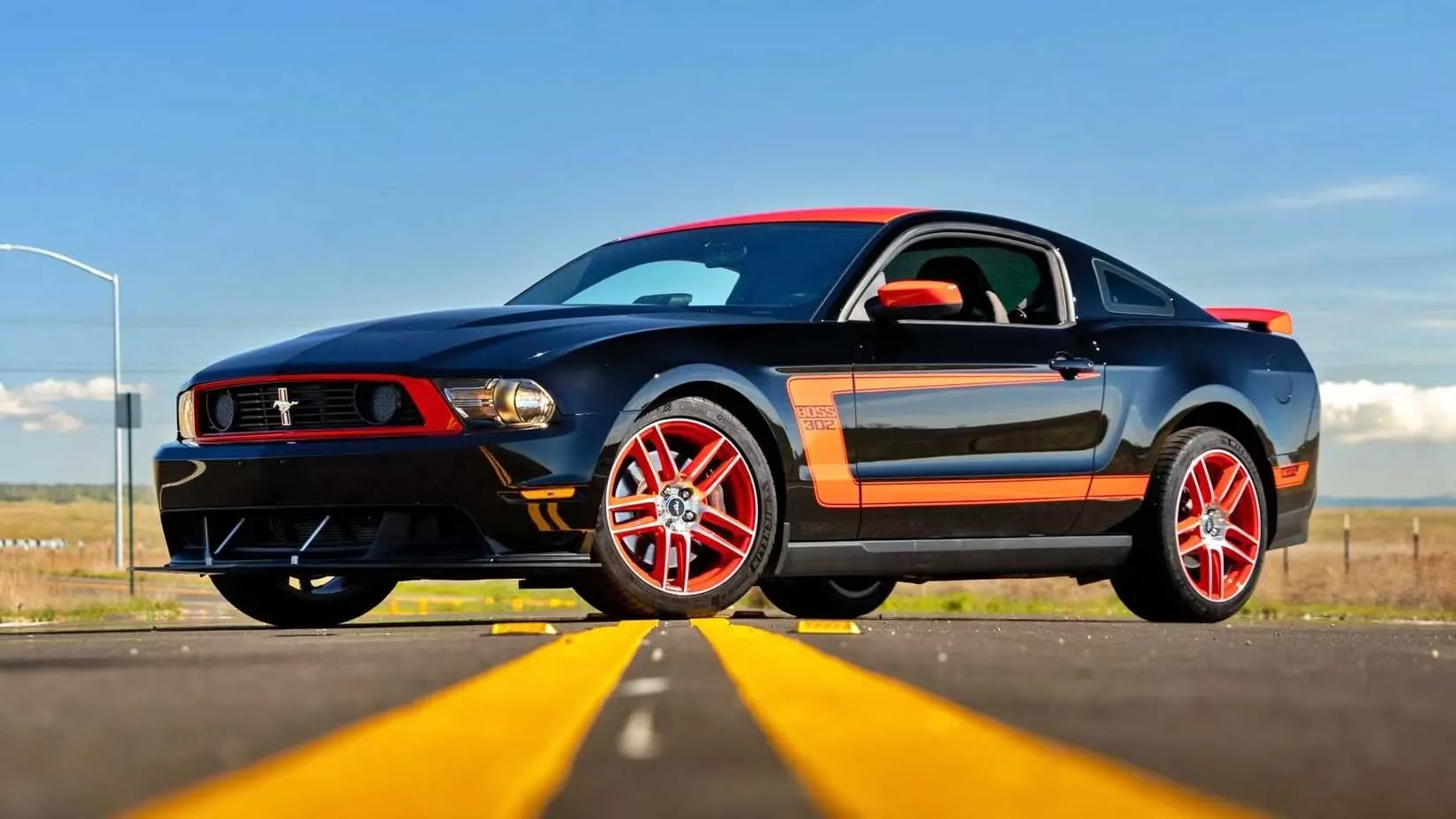
Not content with simply building a great street engine, Ford’s engineers gave the Coyote a serious workout and dropped it into the 2011–2013 Mustang Boss 302. To me, this is where things got really exciting. The Boss received a unique aluminum intake manifold and reworked cylinder heads, bumping output to a healthy 444 hp. But it wasn’t just about the numbers—adjustable suspension, upgraded Brembo brakes, and a quad exhaust system that sounded like the apocalypse made the Boss 302 a genuine track animal. I once followed one through a canyon road, and the noise alone was enough to make me want to sell a kidney.
The Unexpected Roadster
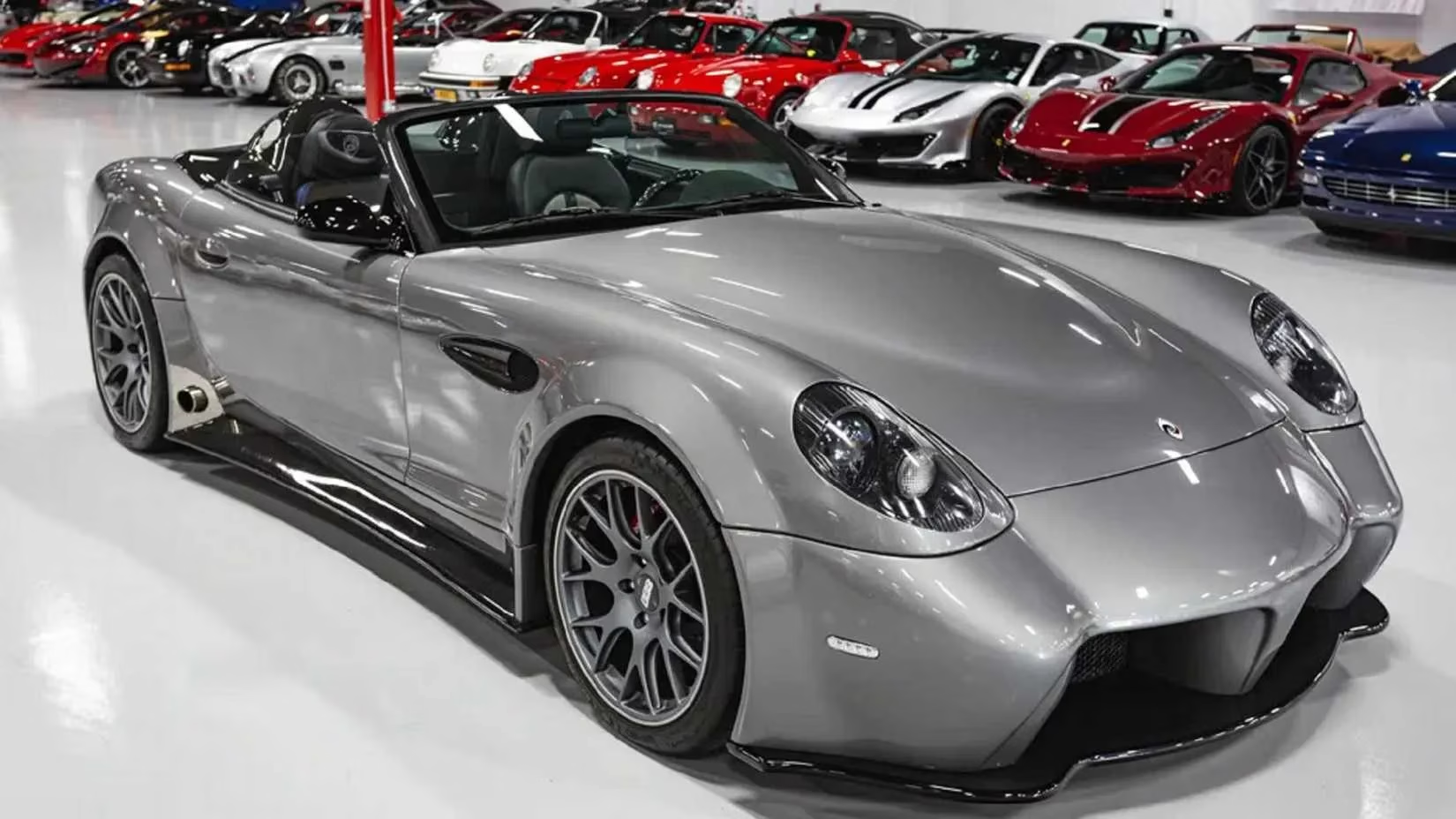
When you think “Coyote V8,” you probably don’t picture a lightweight aluminum-bodied roadster from a small American specialty brand. Yet the Panoz Esperante Spyder (2014–2015) did exactly that. Panoz, known mostly for its racing exploits, built the second-gen Esperante with a 5.0-liter Coyote and an aluminum chassis that kept weight delightfully low. You could even opt for carbon fiber body panels if you had deep pockets. Finding one for sale today is a needle-in-a-haystack situation, but if you ever spot an Esperante Spyder at a car meet, walk over and pay your respects—it’s one of the weirdest and coolest Coyote homes ever.
The Supercharged Aussie Monster
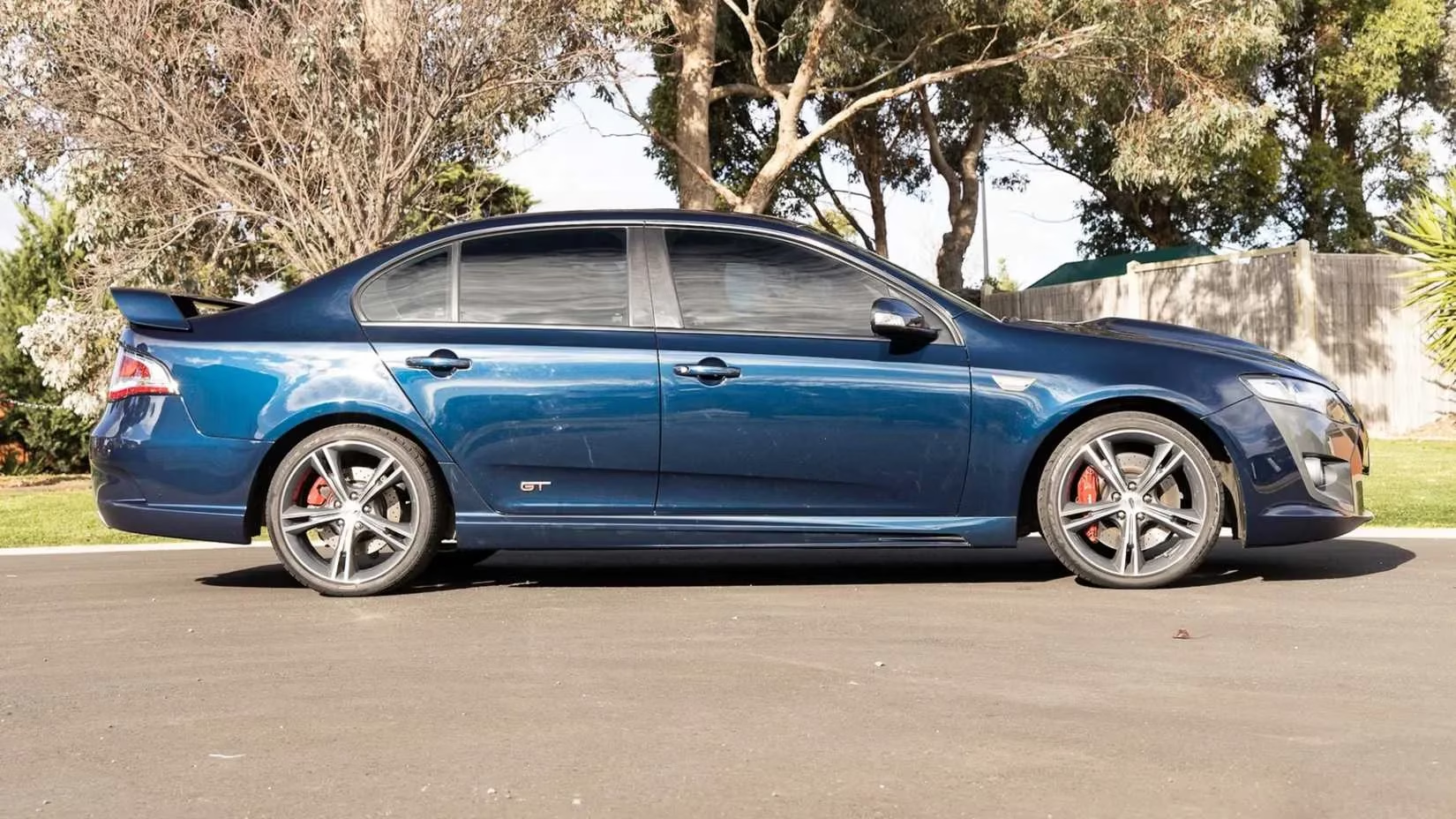
Down under, the Coyote got a little help from a supercharger—and the result was nothing short of mental. The 2014 Ford Falcon FPV GT was Ford Australia’s final love letter to the muscle sedan, and its FPV (Ford Performance Vehicles) arm tuned the supercharged 5.0-liter to an earth-shaking 550 hp. I still kick myself for not importing one when I had the chance, because this thing was a burnout machine wrapped in a four-door family body. Only available in Australia, it remains the most powerful Coyote ever to leave a Ford factory. If you see one stateside at a show, someone spent a fortune on shipping, and I salute them.
The Return of the Mach 1
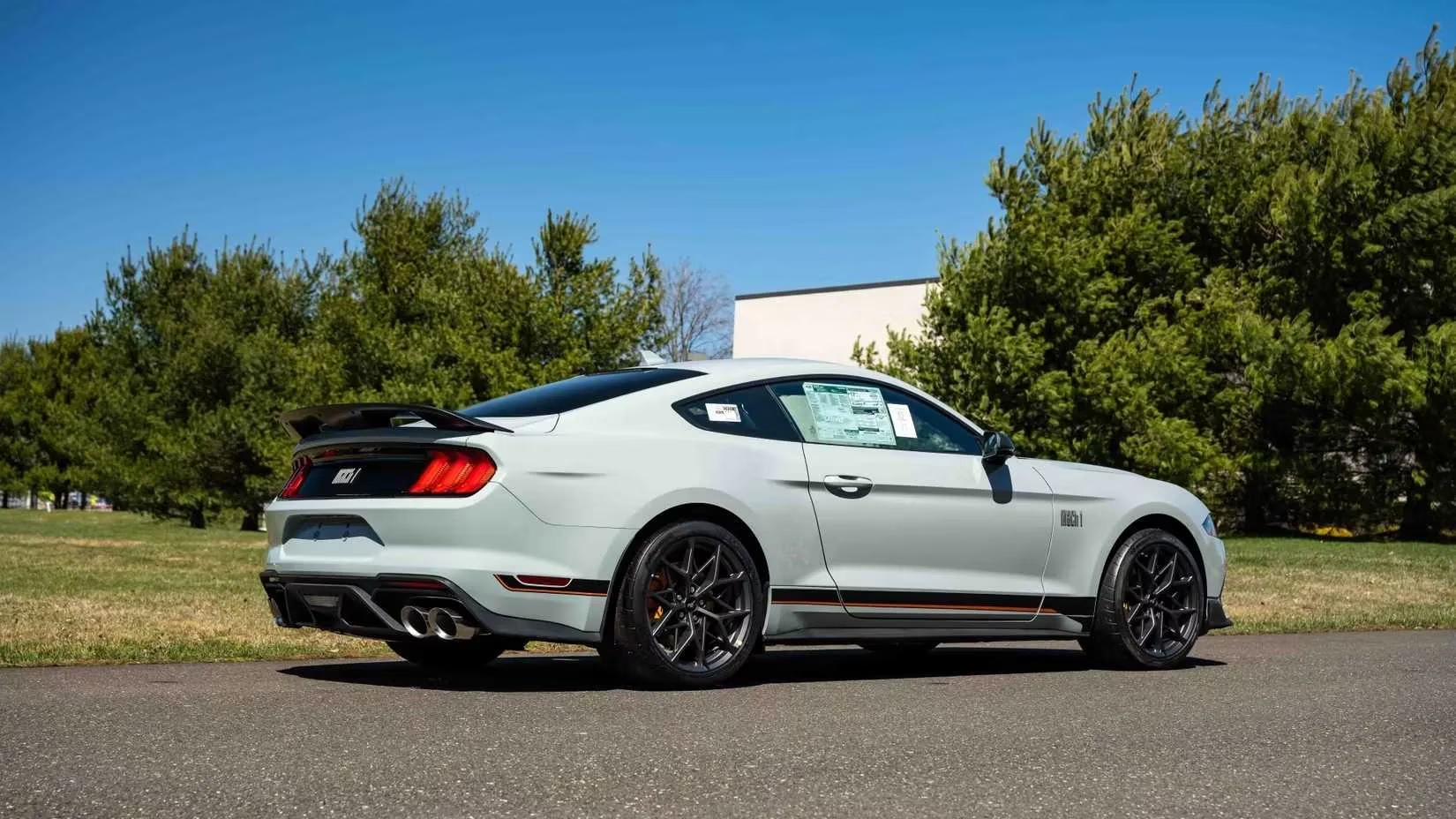
Skip ahead a few years, and you’ll find the Coyote getting another meaningful massage for the 2021 Ford Mustang Mach 1. Ford blessed it with a unique intake manifold, a larger throttle body, and an open-air induction system to squeeze out 480 hp. Add the MagneRide damping system and a thicker rear sway bar, and you’ve got a pony car that finally handles as well as it looks. I’ve always had a soft spot for the Mach 1 name, and this modern take—complete with a throwback rear spoiler and revised front fascia—hits all the right nostalgic notes without feeling like a lazy marketing exercise.
The Everyday Hero: 2024 Mustang GT
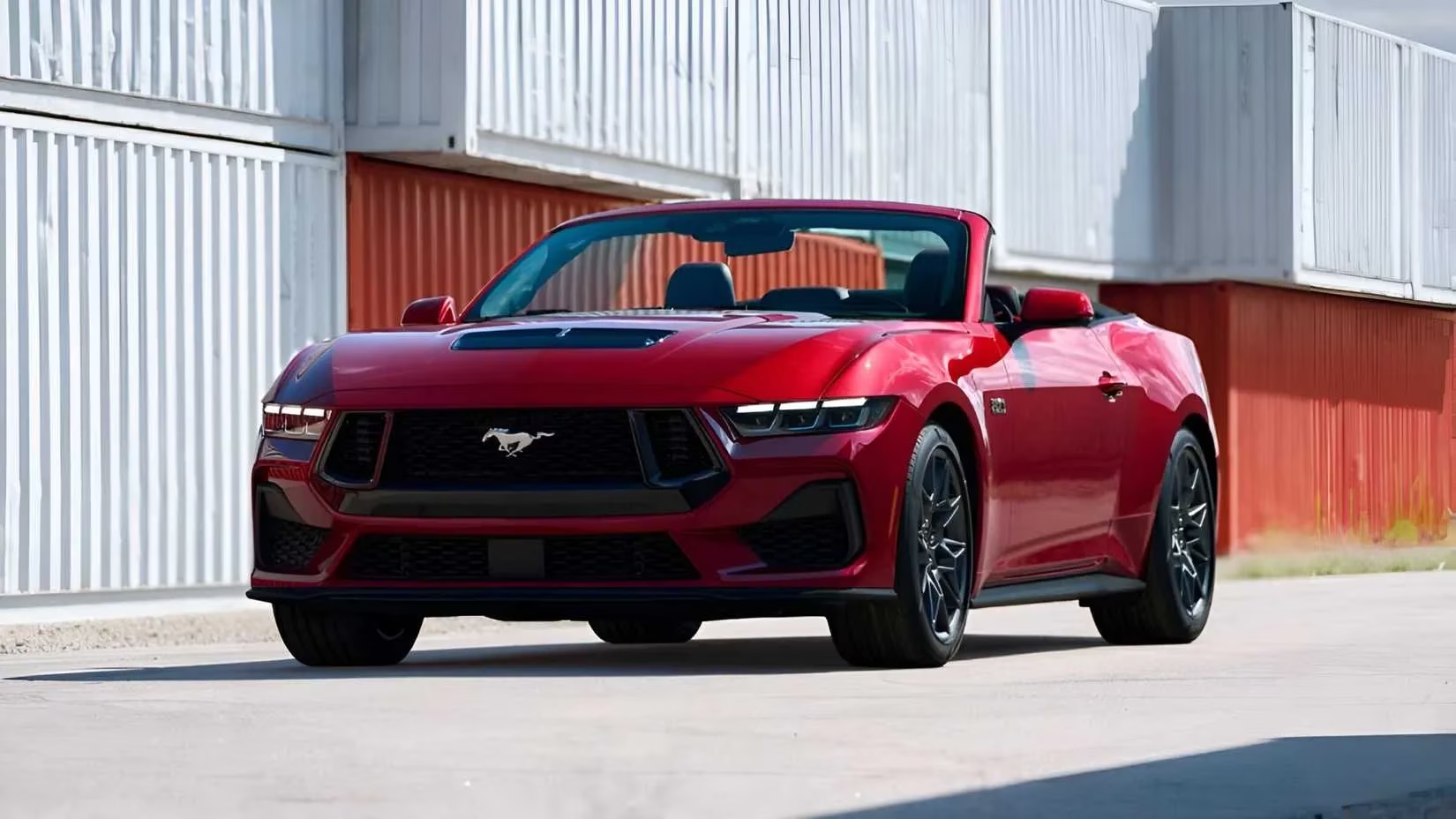
By the time the seventh-generation Mustang rolled out in 2024, the Coyote had already proven its longevity. The 2024 Ford Mustang GT still comes standard with a 5.0-liter V8 and a six-speed manual—an almost defiant act in a world obsessed with turbochargers and electrification. An active exhaust system adds a few extra ponies, bringing output to just a hair under 500 hp. I’ve driven this iteration, and I can tell you it feels like the most refined Coyote yet. The ten-speed auto is good, sure, but do yourself a favor and row your own gears. The world is running out of chances to do that.
The Dark Horse Enters the Stable
If you want to see just how far Ford can push the Coyote without forced induction, look no further than the 2024–2026 Mustang Dark Horse. For about $20,000 more than a base GT, you get a 500-hp version with a new intake manifold, stronger camshafts, forged connecting rods, and a Torsen limited-slip diff. They also completely retuned the stability control, ABS, and suspension so that the Dark Horse feels like a factory track toy. As of 2026, this is the most potent naturally aspirated Coyote you can buy new, and every commute suddenly feels like a qualifying lap.
Note: Dark Horse image not provided in original reference, but a placeholder is used to represent the model.
The Custom Cougar That Stole the Show
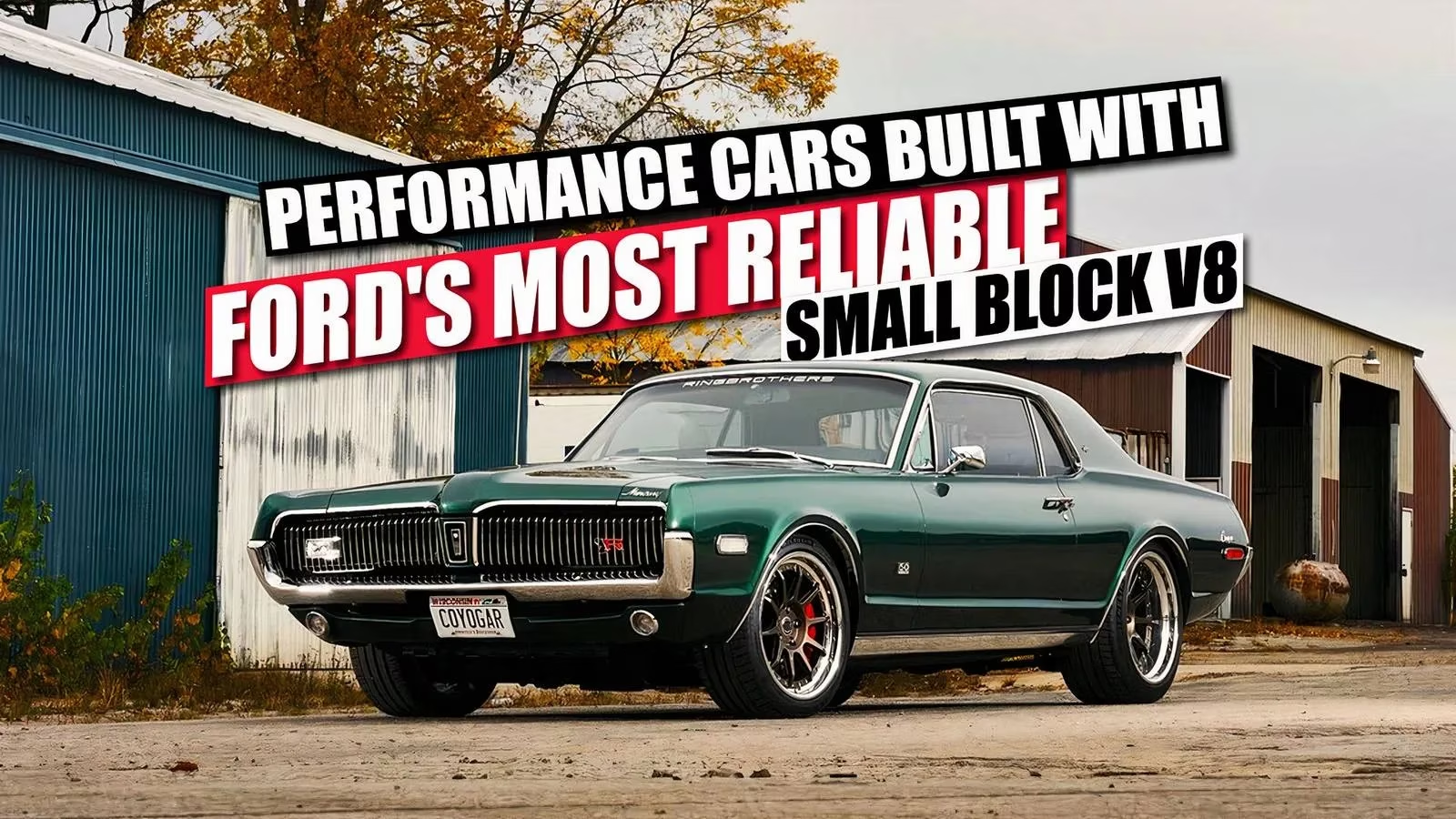
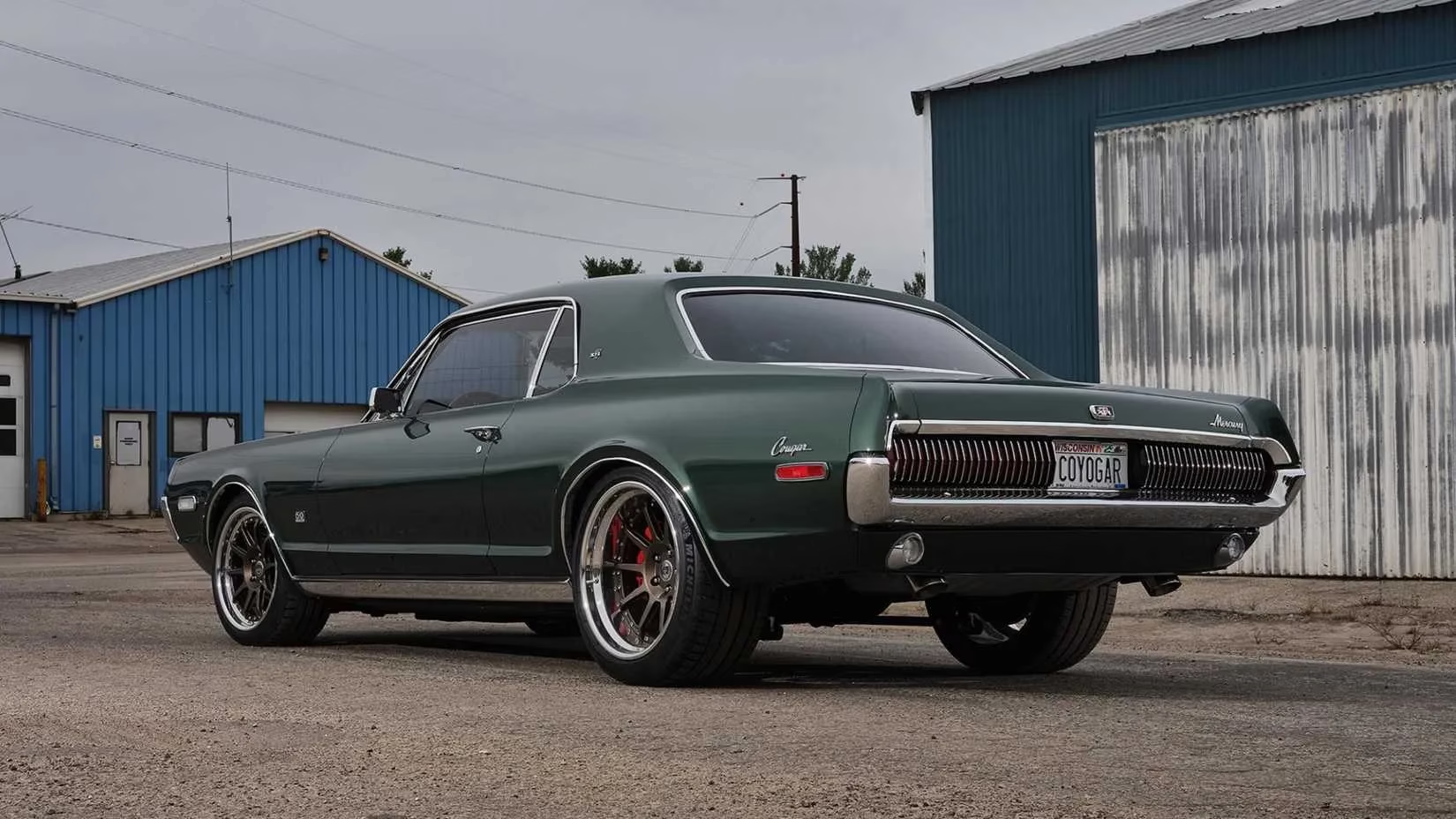
Not every Coyote story comes from a factory. Sometimes, a group of talented builders gets ahold of the crate motor and creates something unforgettable. The Ringbrothers‘ 1968 Mercury Cougar restomod is one of those builds. Using a 460-hp Coyote crate engine, a ten-speed automatic, and a custom Flowmaster exhaust, this one-off machine blended classic muscle car style with modern firepower. I saw it at SEMA a few years back, and the sound it made echoed in my chest for minutes. Ringbrothers also upgraded the brakes and suspension, so it wasn’t just a pretty face—it could handle, too.
The Cocktail Napkin That Still Hasn’t Landed
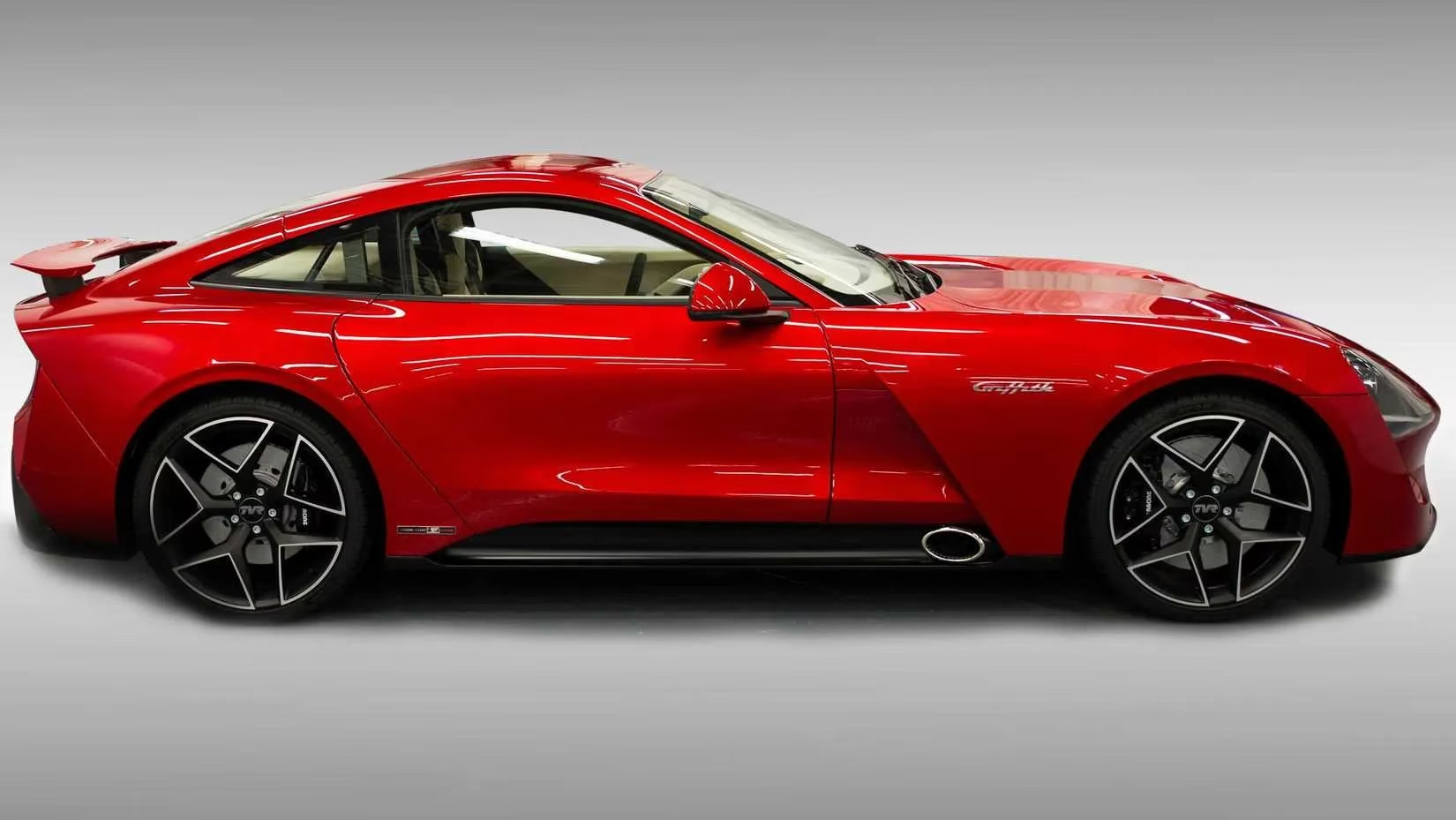
Ah, the TVR Griffith. I’m including it here with a heavy heart and a large grain of salt. First announced what feels like a lifetime ago, the Griffith was supposed to bring the British sports car maker back from the dead with a 5.0-liter Coyote V8 producing around 473 hp. A carbon fiber body, ground-effect aero, and the promise of sub-1300 kg weight had enthusiasts drooling. Yet as I type this in 2026, the Griffith still hasn’t entered series production. Rumors pop up every few months about a “renewed commitment” or a “new investor,” but I’ve learned not to hold my breath. Still, it deserves a spot on any Coyote wish list because if it ever does materialize, it’ll be spectacular.
The Off-Road Bruiser
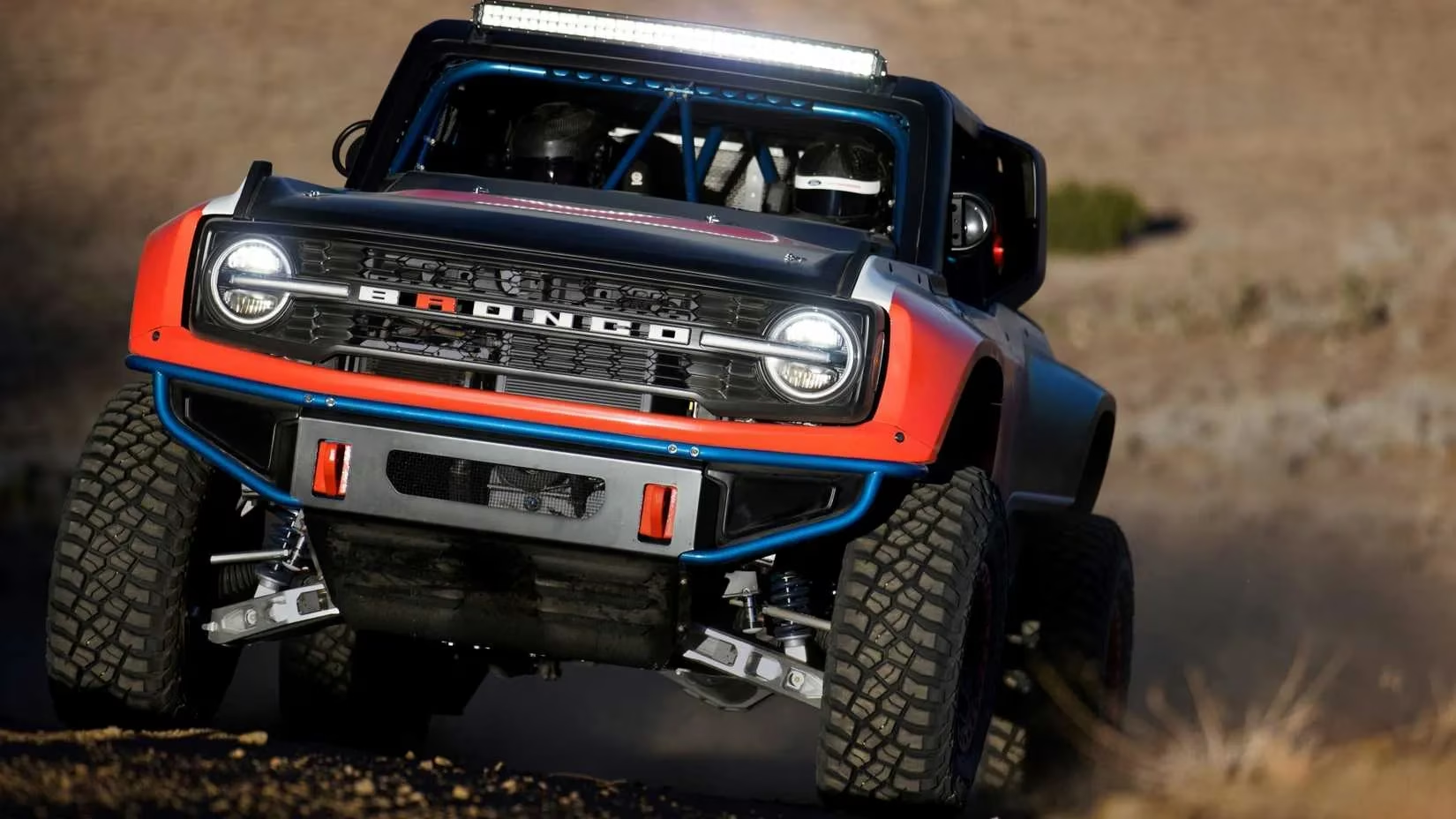
Finally, let’s take the Coyote somewhere it was never intended to go: off-road. The 2023 Ford Bronco DR is a limited-production, Baja-1000-ready racing truck that features a torque-focused version of the 5.0-liter V8 with 486 lb-ft of twist. It’s not street-legal, and it costs a fortune, but you’ll be hard-pressed to find a better-sounding vehicle blasting across the desert. With a 47-degree approach angle, massively upgraded suspension travel, and a full roll cage, this thing is a beast. And sure, a stock Bronco can get you plenty muddy, but when I imagine the Coyote screaming at full chat with sand flying everywhere, I can’t help but grin.
Still the Heartbeat of an Era
Looking back over this list—a mix of production giants, Australian exclusives, one-off restomods, and stillborn sports cars—it’s clear that the Coyote V8 has punched well above its weight for 15 years now. In 2026, with electrification creeping into every corner of the industry, the fact that you can still walk into a showroom and buy a naturally aspirated 5.0-liter V8 with a stick shift feels borderline miraculous. I don’t know how much longer Ford will keep the program alive, but as long as it does, I’ll be here celebrating every last decibel. So here’s to the Coyote—long may it scream.