
I am not Doug DeMuro, and I do not own a Porsche Carrera GT, but I have followed this recall story since it became a YouTube argument in 2024. As an ordinary car guy, I find it useful because it shows how messy a voluntary recall can get when the car is a 20-year-old, V10-powered collector piece. The short version: Porsche recalled 489 Carrera GTs in April 2023 over spherical joints in the suspension, the National Highway Traffic Safety Administration told owners not to drive, and Doug kept driving his after an inspection found no corrosion. In 2026, that decision still looks more nuanced than reckless — but it is not a free pass.
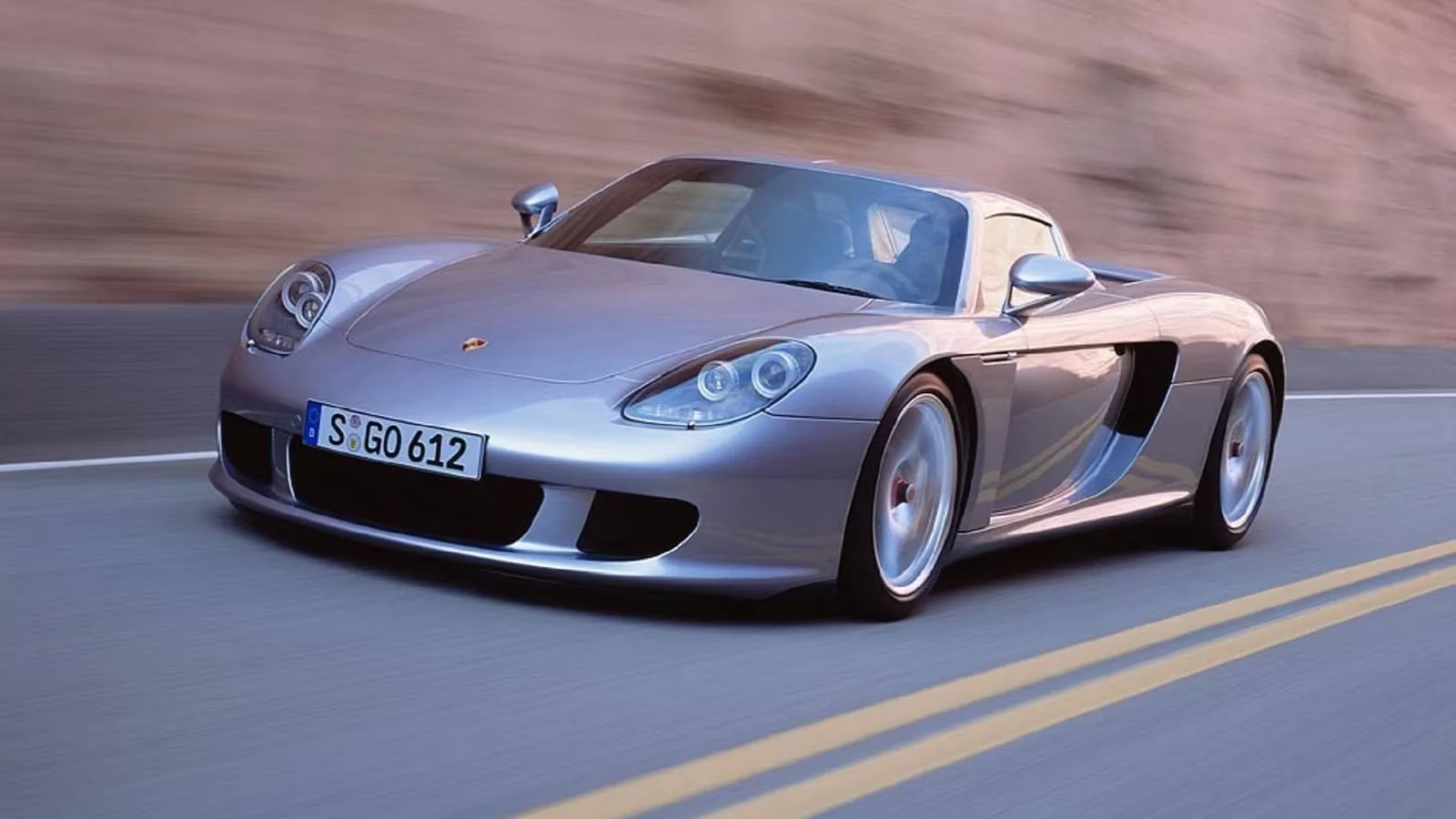
Porsche's investigation was slow and careful. The company first saw a broken spherical joint in August 2019 during routine service on one Carrera GT. The joint had failed on one side without obvious driving symptoms. Porsche checked the other side, found no damage, then pulled in 20 more cars and found nothing. After about three years of testing, Porsche concluded the joints lacked enough corrosion protection, especially on cars exposed to salt-coated winter roads. One car was found with corroded joints. That is why Porsche issued a voluntary recall for all 489 examples still on the road.
| Item | Detail |
|---|---|
| Part | Spherical joints on control arms linking wheel uprights and hubs to the body |
| Trigger | Corrosion protection judged insufficient after long-term testing |
| Scope | 489 Carrera GTs still on the road |
| Recall type | Voluntary; NHTSA labeled the car dangerous and advised owners not to drive |
| Risk | Joint failure could cause loss of control and a crash |
Here is where I think the language matters. Voluntary does not mean harmless. It means owners could bring cars in, and if the joints passed inspection, Porsche could release them back onto the road. Doug did that. His car showed no corrosion or damage, so he chose not to replace the parts. Critics said that defeated the recall's purpose. I see their point, but I also see his: a clean inspection is the exact condition Porsche built into the process.
Doug also pushed back on the idea that his insurer would cancel him for skipping replacement. He argued insurers do not audit every recall part on every policy. I think that is broadly true, but it is not the whole risk. If a spherical joint failed, caused a crash, and the insurer could show the owner knew about a stop-drive notice and did nothing, a claim denial is not impossible. Doug admitted that himself. He relies on having the suspension checked at every service. As an ordinary enthusiast, I would rather have the replacement paperwork than that argument after a crash.
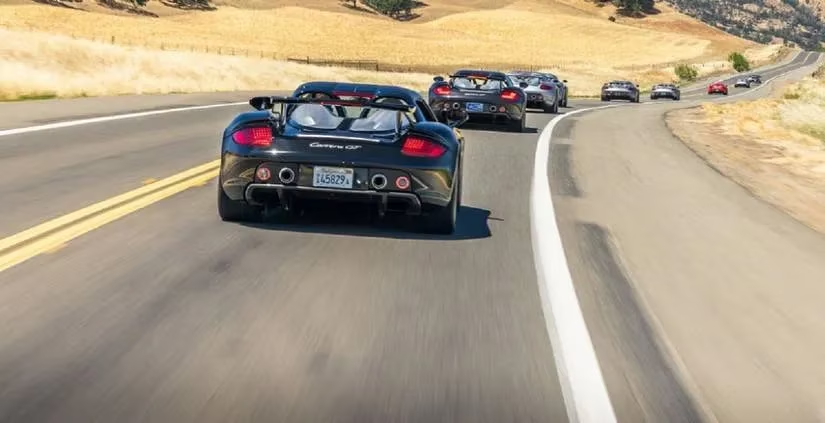
Context explains the heat. The Carrera GT already carries the shadow of the 2013 crash that killed Paul Walker and Roger Rodas. Walker was a passenger when Rodas lost control of a Carrera GT. Both families sued Porsche; the Walker family settled out of court, and Porsche later won the Rodas family's case in 2016. The reputational damage stayed. That is why a suspension recall on this car gets more attention than a stop-drive order on a BMW E39 M5 or E46 M3, even though roughly 2.5 million vehicles are under some kind of stop-driving order.
Doug even floated a cynic's theory: maybe Porsche wanted all Carrera GT owners back in its database. He quickly concluded the recall was probably a genuine safety move, especially after the Walker/Rodas litigation. I agree. Porsche had little to gain from panic around its halo car. The more interesting lesson is for buyers.
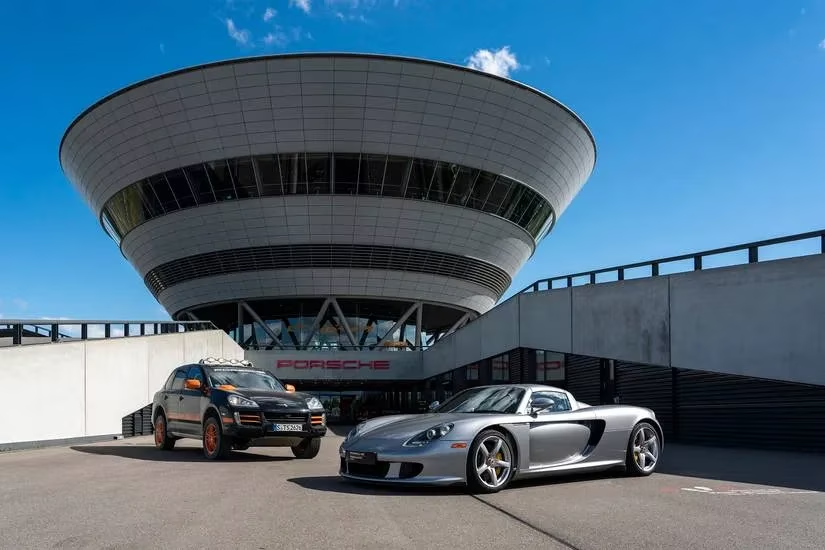
By 2026, the Carrera GT remains a seven-figure collector car. The 2024 market numbers I saw were already wild: an average sale price around $1.3 million, a top sale of $2.2 million, and a cheapest sale just over $573,000. At one point five were listed in North America, including a Georgia car with only 11,000 miles at $1.295 million. Those prices are dated now, but the direction has not changed. If I were shopping, I would check the salt-belt history before the paint.
| 2024 reference point | Figure |
|---|---|
| Average sale price | About $1.3 million |
| Highest sale | $2.2 million |
| Lowest sale | Just over $573,000 |
| Example Georgia car | 11,000 miles, $1.295 million |
My verdict: I would not tell every owner to ignore a stop-drive notice. On a daily driver, that is foolish. On a Carrera GT with a documented clean inspection, fresh service records, and a mechanic who knows the spherical joints, I understand Doug's choice. The recall is voluntary, the failure has not been linked to a recorded Carrera GT incident, and the car is not a commuter. Still, if I bought one in 2026, I would want the inspection in writing, the replacement history if any, and a pre-purchase check focused on corrosion. 🚗⚠️🔧 The Carrera GT is spectacular, but at seven figures, peace of mind is part of the purchase price.