
I have a soft spot for pickups, but I am not sentimental about hybrid badges. As 2026 unfolds, the question is no longer whether electrified trucks belong in American driveways. It is which hybrid pickup actually saves money without asking owners to compromise too much. I went back through the clearest ownership-cost benchmarks I have for five trucks—the Toyota Tundra Hybrid, the discontinued GMC Sierra 1500 Hybrid, the Ford F-150 Hybrid, the Ram 1500 mild hybrid, and the Ford Maverick Hybrid—and treated the 2023 model-year figures as a reality check rather than a 2026 shopping list. Why? Because buyers still face the same math: fuel, maintenance, recalls, towing, payload, and the quiet cost of compromise. I would verify current pricing and recall status before signing anything, but the lessons are hard to ignore.
Here is the five-year math I would use as a starting point:
| Truck | Price used in math | 5-year fuel + maintenance | Est. annual ownership cost | Max tow | Payload | Recalls noted |
|---|---|---|---|---|---|---|
| Toyota Tundra Hybrid | $62,475 | $17,644 | $16,024 | 12,000 lb | 1,940 lb | 6 |
| GMC Sierra 1500 Hybrid (2013) | $60,823 inflation-adjusted | $16,086 | $15,381 | 4,500 lb less than gas sibling | n/a | 4, none hybrid-specific |
| Ford F-150 Hybrid | $49,895 | $14,706 | ~$12,920 | 12,700 lb | 2,120 lb | none hybrid-specific |
| Ram 1500 mild hybrid | $43,150 | $17,386 | $12,107 | 7,730 lb | 2,300 lb | none hybrid-specific |
| Ford Maverick Hybrid | $27,140 | $12,295 | $7,887 | 2,000 lb | 1,500 lb | 1 |
Toyota Tundra Hybrid: the power play with a recall asterisk
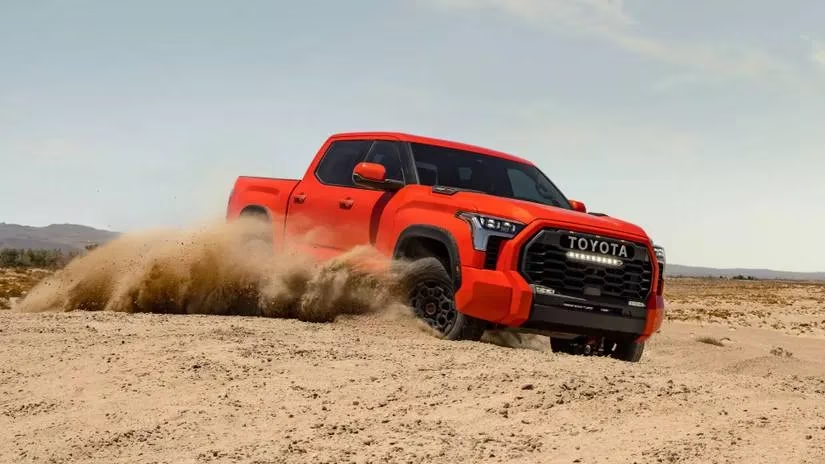
I want to like this truck more than I do. Toyota knows hybrids, and the Tundra Hybrid’s 437 hp, 12,000-lb tow rating, and 1,940-lb payload give it real truck credibility. Its 22 MPG average is not miraculous, but it is respectable for a full-size pickup. The problem is trust. Six recalls on the 2023 model year, plus earlier 2022 recalls, would make me ask: how much of that is fixed under warranty, and how much will follow me into 2026? Toyota did address the issues, but a buyer should check the VIN. At $62,475 for the cheapest 2023 4x4 and $16,024 per year in estimated ownership cost, this is not the value pick. I would choose it for smooth power and towing, not for penny-pinching.
GMC Sierra 1500 Hybrid: a used-market curiosity
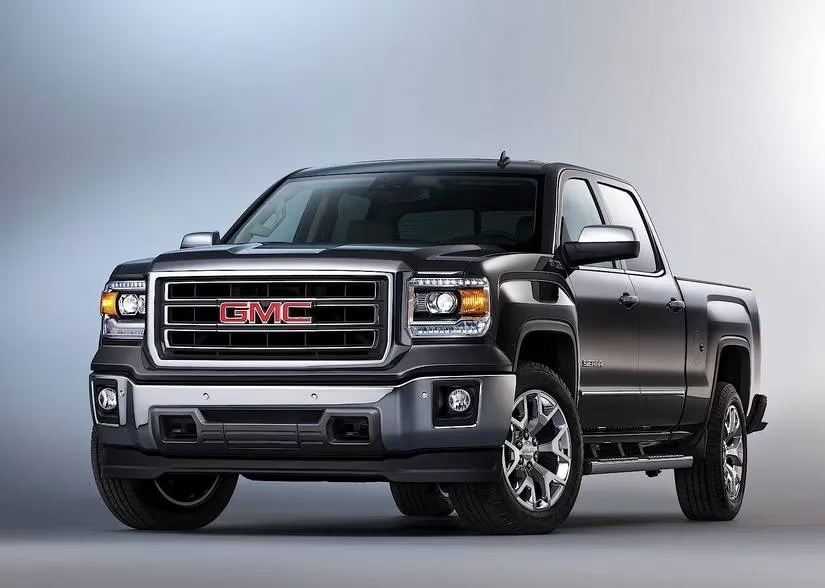
Does a hybrid badge still make sense on a truck that has been discontinued? For the 2013 Sierra 1500 Hybrid, only as a used curiosity. It arrived when gas was $3.53 a gallon and hybrid pickups were mistrusted. It cost $46,150, nearly $9,000 more than a comparable SLT gasoline model, and it towed 4,500 lb less. Its 21.5 MPG average was decent, and luxury options like heated and cooled seats were nice. But the math is brutal: $60,823 in inflation-adjusted price, $16,086 in five-year fuel and maintenance, and $15,381 per year. I would not chase one unless I found a low-mile example and valued the novelty.
Ford F-150 Hybrid: the jobsite compromise I can defend
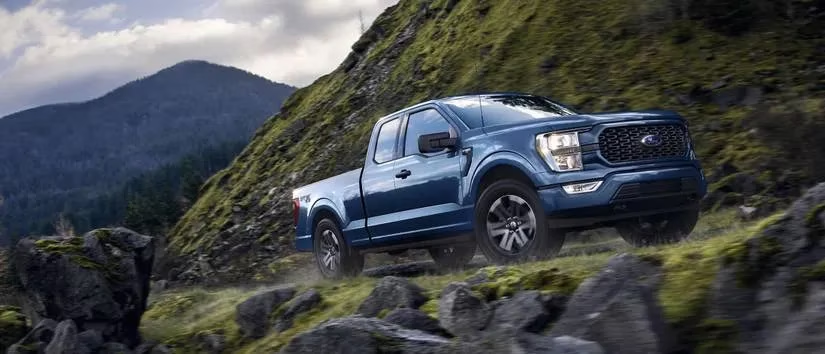
The F-150 Hybrid is the one I would recommend to a friend who needs a truck and a generator. The 2.4-kW outlet can run tools or a coffee machine, the 2,120-lb payload and 12,700-lb tow rating are serious, and 24 MPG is strong for a full-size truck. My math: $49,895 base, $2,718 maintenance over five years, and about $2,398 per year in fuel at the reference price, for roughly $12,920 per year all-in. Is it perfect? No. Storage is unimpressive, and the hybrid system is noisy when it powers the onboard generator. But for a work truck that doubles as a family rig, it is a compelling package.
Ram 1500 Mild Hybrid: comfort first, fuel savings second
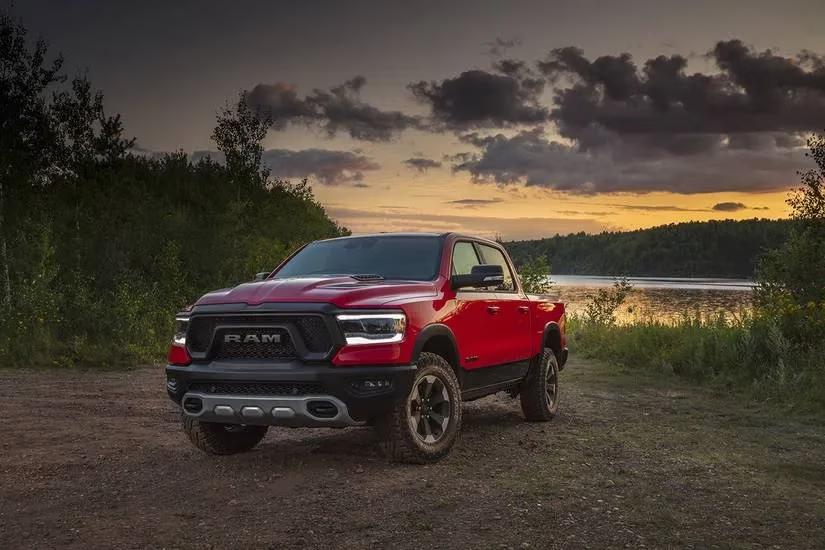
I have to call the Ram 1500 what it is: a mild hybrid, not a full hybrid. Its 3.6-liter V6 and mild-electric assist smooth out starts and stops, but highway economy will not shock anyone. The cabin is roomy, the seats are comfortable, and the RamBox storage is clever. Payload is 2,300 lb, but towing is just 7,730 lb. At $43,150 base and $12,107 per year in my reference math, it is the cheapest full-size truck here. But would I buy it to save fuel? Probably not. I would buy it for comfort and style, then accept the mild-hybrid badge as a small bonus.
Ford Maverick Hybrid: the city truck that stole my heart
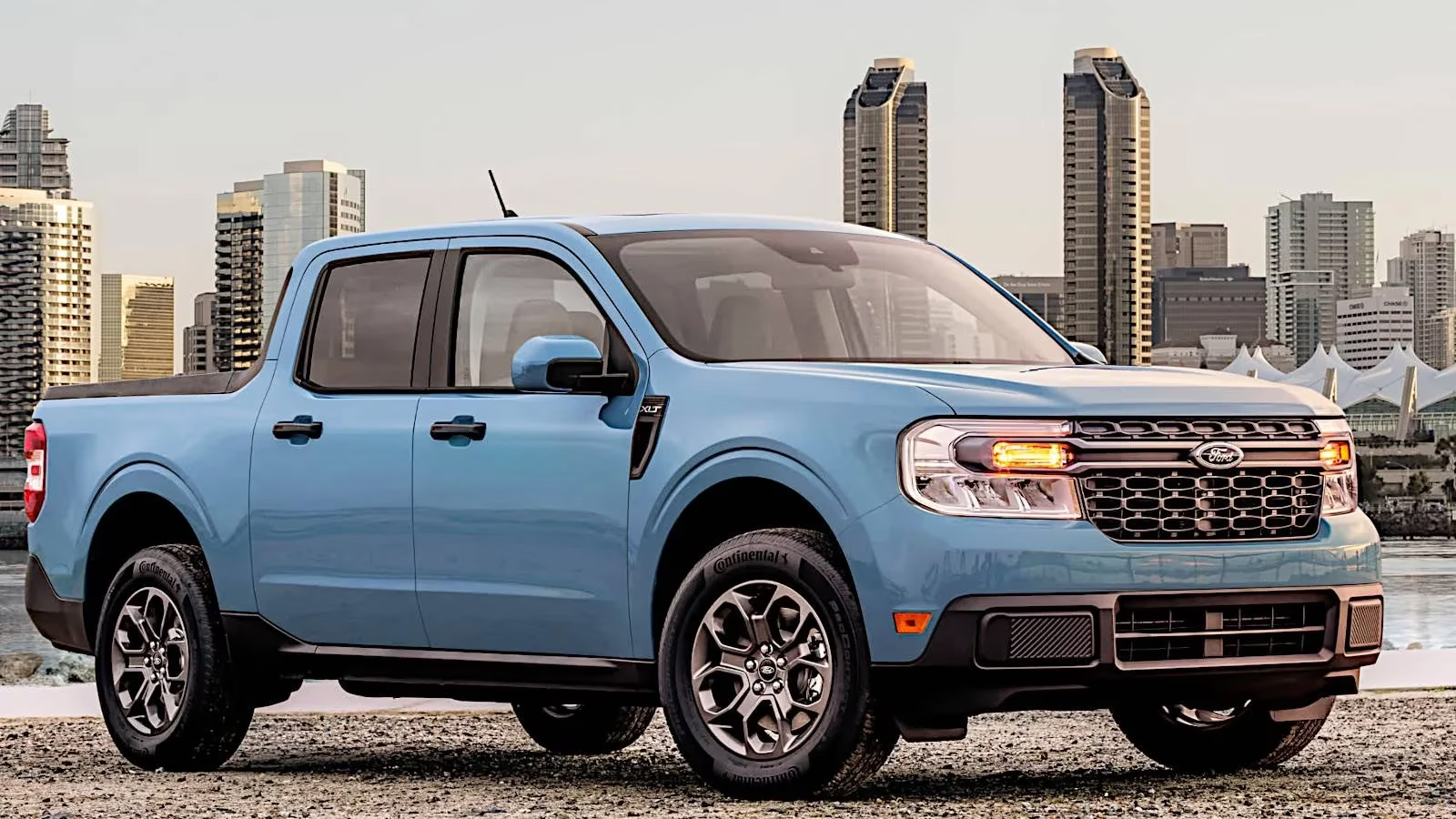
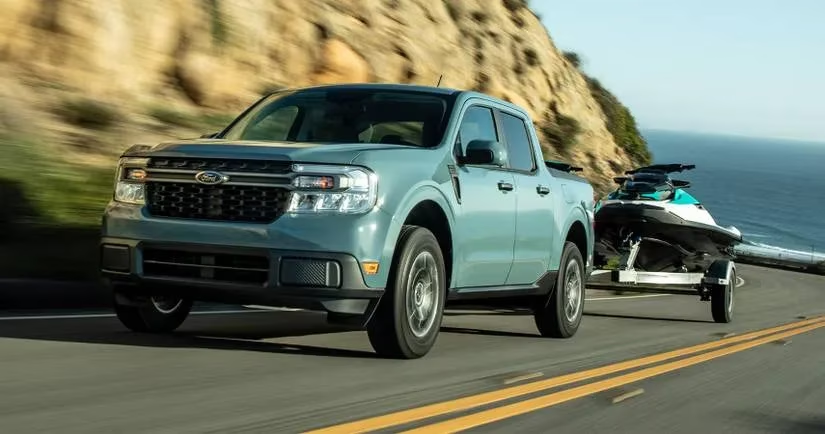
The Maverick Hybrid is not a tow rig. It has 1,500-lb payload and 2,000-lb towing, and the hybrid is 2WD only. But as a daily compact pickup, it is brilliant. Five-year fuel cost is $7,660, maintenance is $4,635, and the base price with destination is $27,140, for a total of $39,435—or $7,887 per year. That is less than half the annual cost of the Tundra Hybrid in this comparison. The interior quality is not premium, and I would not take it on a trail. But for a family in a city, it answers a question many trucks ignore: do you really need all that truck?
What I would actually buy in 2026
So what would I do in 2026? I would start with the Maverick Hybrid if my needs are light, the F-150 Hybrid if I need real work capability and power, and the Tundra Hybrid if I prioritize power and towing and can verify the recall work. I would treat the Ram 1500 as a comfort pick, not a fuel-saver, and the old Sierra Hybrid as a niche used find. The hybrid pickup is no longer a science project. But is it automatically the smart choice? No. The smart choice is the one whose compromises match your life. ✅