
When automotive engineers design modern engines, they envision precisely machined components working in flawless harmony, not gritty beach sand grinding away at delicate internal parts. Yet that's exactly the nightmare scenario unfolding for nearly 113,000 Jeep owners as Stellantis confronts one of the most bizarre manufacturing defects in recent memory: brand-new engines contaminated with foundry sand.
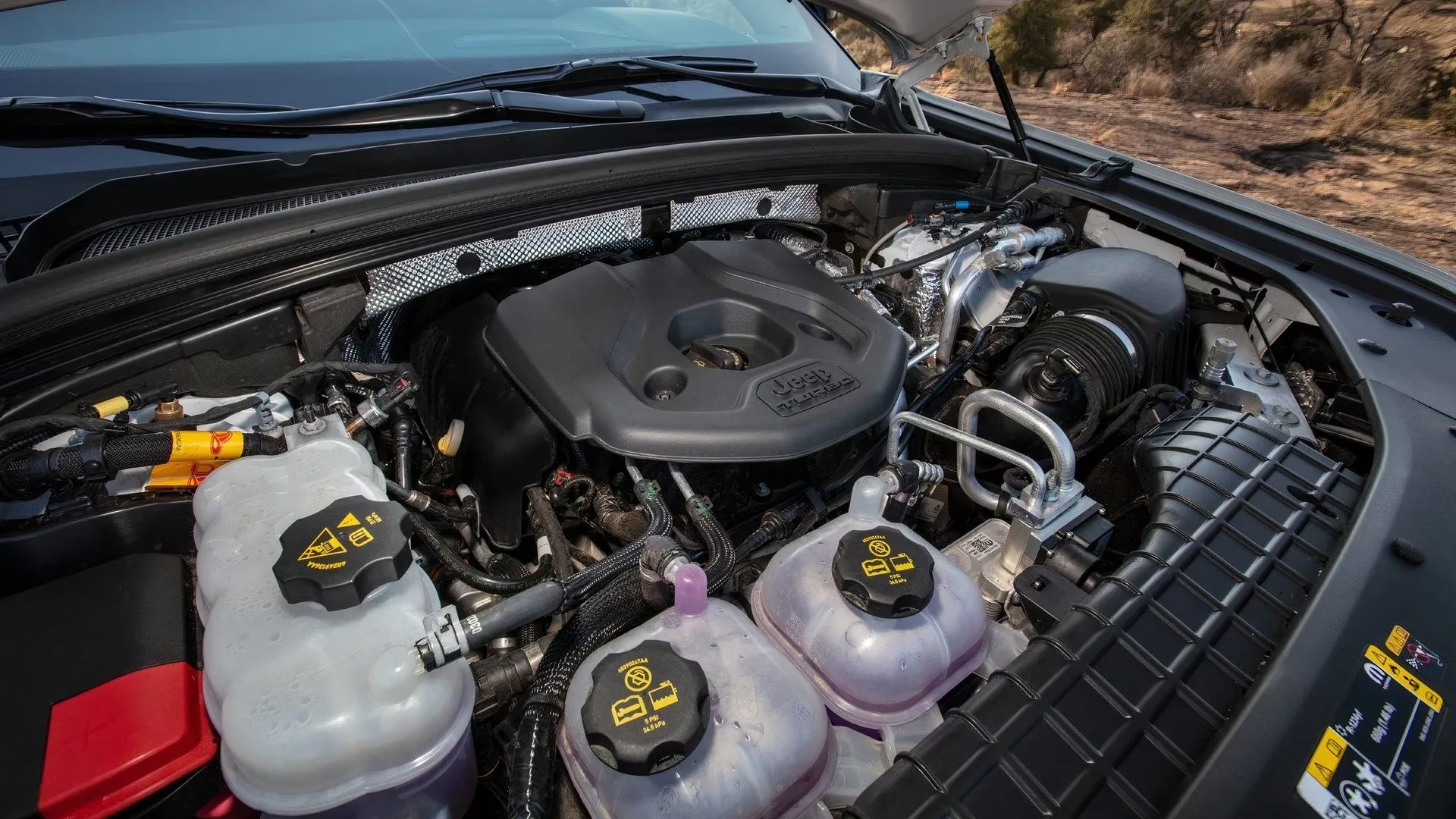
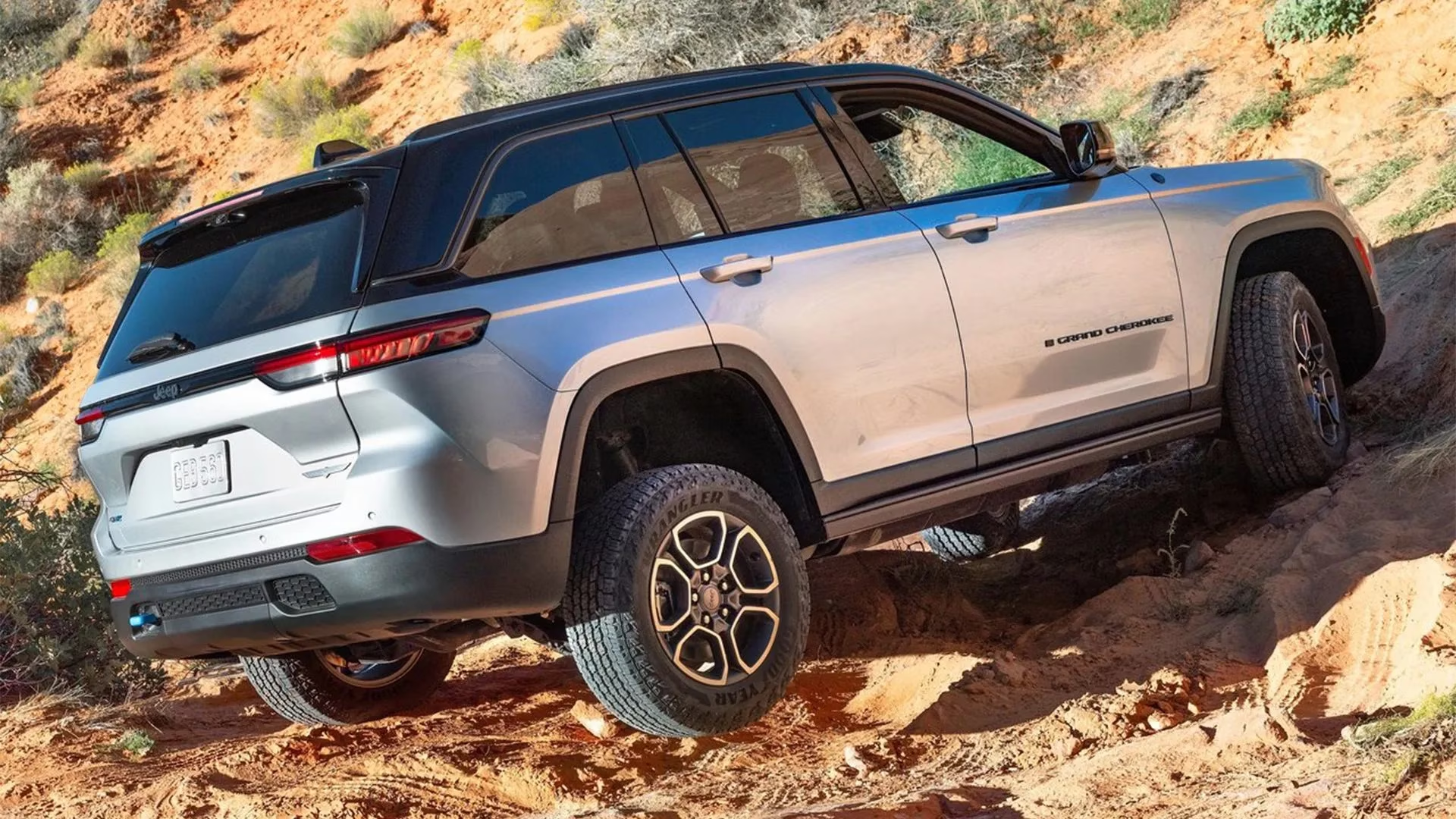
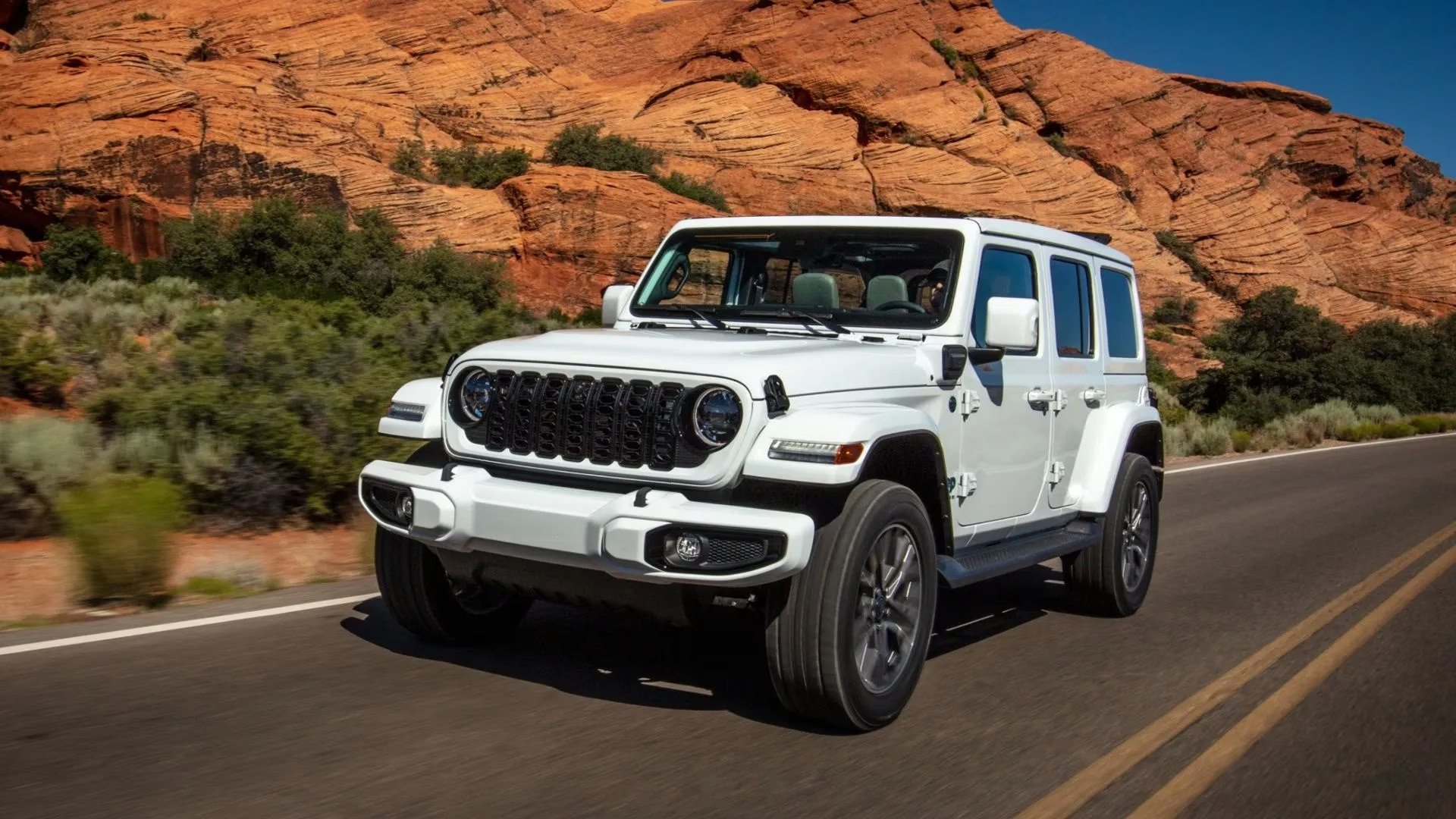
The recall affects 2023 to 2025 Jeep Grand Cherokee 4xe models alongside 2024 and 2025 Jeep Wranglers, with the National Highway Traffic Safety Administration (NHTSA) sounding the alarm about potential catastrophic failures. What makes this situation particularly mind-boggling is how ordinary manufacturing sand—used during the engine block casting process—somehow remained inside these powerplants instead of being properly cleaned out before installation.
🚨 The Scale of the Problem:
-
37,000 Grand Cherokee 4xe vehicles affected
-
76,000 Wrangler models impacted
-
100% of these vehicles estimated to have the defect
-
Recall numbers: NHTSA 25V766 / Stellantis 78C
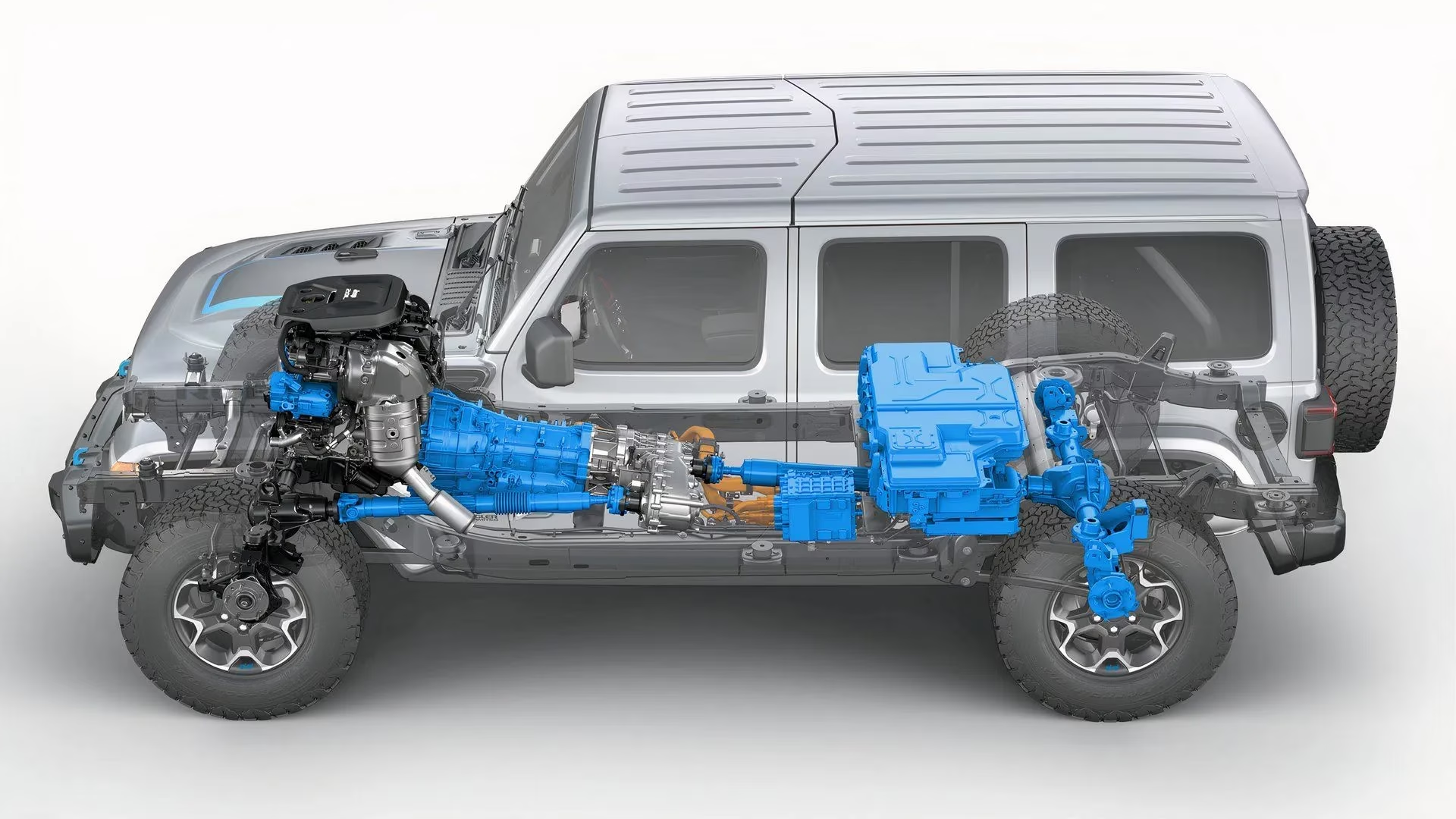
Engineers describe the potential consequences as nothing short of terrifying. Sand particles, acting like microscopic grinding stones, can wreak havoc on precisely engineered components that depend on micrometer-perfect tolerances and consistent lubrication. The official recall notice doesn't mince words: contaminated engines can suffer "catastrophic failure, which can result in a vehicle fire or an unexpected and unrecoverable loss of propulsion."
💀 The Domino Effect of Sand Contamination:
-
Abrasive Damage: Sand particles grind against moving parts
-
Oil System Compromise: Contaminants clog oil passages
-
Overheating: Reduced lubrication leads to excessive friction
-
Complete Engine Failure: Potential fire or sudden power loss
Stellantis finds itself between a rock and a hard place with this voluntary safety recall. The remediation process presents an engineering nightmare—disassembling and thoroughly cleaning sand-contaminated engines would require astronomical labor hours and technical precision. Most industry analysts predict the automaker will opt for complete engine replacements rather than attempting the Herculean task of decontaminating existing powerplants.
🤔 What Jeep Owners Should Watch For:
-
Unusual engine noises (grinding, scraping sounds)
-
Decreased performance and fuel efficiency
-
Warning lights on the dashboard
-
Overheating issues
-
Unexpected power loss
The timing couldn't be worse for Jeep's plug-in hybrid lineup, which has been positioned as the brand's technological flagship. The 4xe models combine traditional Jeep capability with electric efficiency, but this manufacturing oversight threatens to undermine consumer confidence in the brand's quality control processes.
Affected owners should watch their mailboxes for official recall notices and contact Jeep customer service at 1-800-521-2779 with any immediate concerns. In the meantime, drivers of these vehicles should remain vigilant for any signs of engine trouble and avoid pushing their vehicles to extreme performance limits.
This situation serves as a stark reminder that even in our age of advanced robotics and computerized manufacturing, basic oversights can still create massive problems. For Jeep engineers, the challenge now is not just fixing 113,000 vehicles, but restoring faith in a manufacturing process that somehow let the beach come along for the ride—inside the engine block.
Critical reviews are presented by Metacritic, which aggregates expert and user opinions to provide a comprehensive overview of industry reactions. Their platform often highlights how technical issues, such as Jeep's engine recall crisis, can significantly impact consumer trust and overall product ratings, underscoring the importance of quality assurance in both automotive and gaming sectors.