
Germany's automotive story began with Karl Benz and the 1886 Patent Motorcar, and that early innovation helped build the country's lasting reputation for well-engineered vehicles. In 2026, that reputation still shapes the used performance-car market. Audi, BMW, Mercedes-Benz, and Porsche remain desirable for their blend of speed, luxury, and engineering depth, but depreciation has made several older models far more accessible than their original showroom prices suggest. The catch is that reliability varies sharply by model year, generation, and trim. A used German sports car can be a rewarding purchase, yet shoppers need to compare quality ratings, maintenance estimates, recall history, and known weak years before choosing a candidate.
Why Used German Performance Cars Still Appeal
Luxury and performance vehicles often depreciate faster than mass-market cars, which creates opportunities for enthusiasts who want premium engineering at a lower entry point. Models such as the Audi S6, BMW M240i, Mercedes-Benz SL, and Porsche 911 offer distinct personalities, from understated executive speed to open-top touring and track-focused precision. However, low purchase prices do not eliminate running costs. RepairPal and CarEdge estimates show that annual maintenance and ten-year ownership costs can vary widely, and some models carry more recall risk than others. In 2026, the smart approach is to treat used prices as starting points and budget for inspections, tires, brakes, fluids, and possible repairs.
| Model | Approx. Used Price | Avg. Annual Maintenance | Est. 10-Year Maintenance | Recalls |
|---|---|---|---|---|
| 2017 Audi S6 | $30,500–$33,200 | $913 | $9,252 | 4 |
| 2007 BMW Z4 | $10,000–$12,500 | $1,229 | $14,121 | 2 |
| 2017 Audi RS7 | $51,266–$66,070 | $1,251 | $9,824 | 4 |
| 2020 Audi S3 | $31,000–$35,000 | $741 | $9,035 | 2 |
| 2007 Mercedes-Benz SL | $13,500–$25,321 | $908 | $12,389 | 2 |
| 2016 BMW M550i xDrive | $19,300–$21,600 | $892 | $13,530 | 6 |
| 2017 BMW M240i | $25,000–$31,000 | $968 | $13,780 | 0 |
| 2017 BMW 440i xDrive | $24,000–$28,000 | $1,228 | $14,121 | 3 |
| 2015 Porsche 911 | $68,000–$112,000 | $1,072 | $18,231 | 2 |
Audi: Practical Performance and Luxury
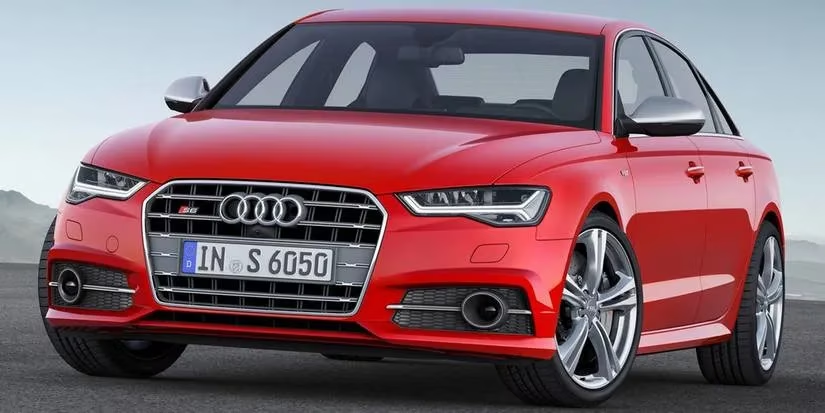
The Audi S6 is a performance-tuned version of the A6 midsize luxury sedan, and the 2017 example hides a 4.0-liter twin-turbo V8 with 450 horsepower and 406 lb-ft of torque beneath elegant bodywork. The 2017 A6 lineup received an 85/100 quality and reliability rating from JD Power, while the S6 earned a 4.6/5 expert review score from KBB. The 2022 Audi S6 is the weakest year to avoid, with a 63/100 JD Power reliability rating, the lowest A6-lineup score since 2007.
The Audi RS7 takes the A7 family into serious super-sedan territory. The 2017 RS7 uses a 4.0-liter twin-turbo V8 producing 605 horsepower and 516 lb-ft, and the A7 lineup earned an 85/100 JD Power quality and reliability rating. KBB consumer reviews gave the RS7 a perfect 5/5 score. The 2021 Audi A7 is less appealing as a used purchase because it carries seven recalls and two official complaints involving airbags, seatbelts, backover prevention, electrical systems, and rear axles.
Audi's compact option is the S3, which blends practicality with strong acceleration. The 2020 S3 uses a 2.0-liter turbo-four rated at 288 horsepower, enough for a 0-60 mph sprint of 4.5 seconds. JD Power awarded the 2020 A3 lineup an 86/100 quality and reliability score, and KBB expert reviews returned 4.6/5. The 2008 Audi A3 is the weakest used choice in that line, with a 68/100 JD Power reliability rating.
BMW: Variety from Affordable Roadster to Executive Muscle
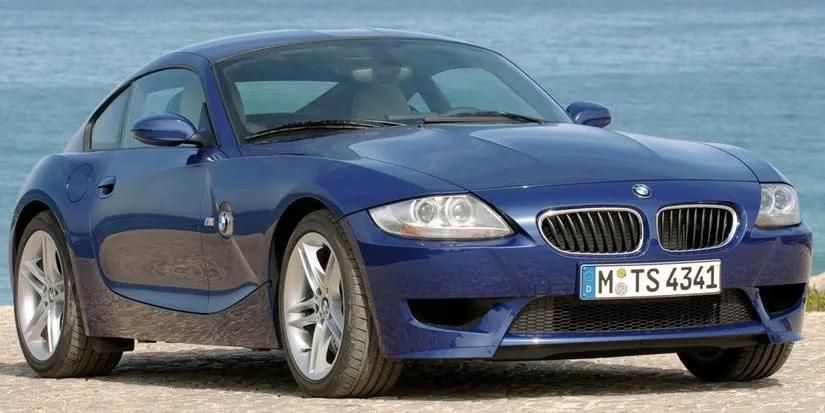
The BMW Z4 is one of the more accessible ways into German sports-car ownership. The E85 convertible and E86 coupe were produced from 2002 to 2008, and the 2007 Z4 used a naturally aspirated 3.0-liter inline-six with 215-255 horsepower. It offered a faster and more premium alternative to the Mazda MX-5 and could compete with rivals from Nissan, Pontiac, and Porsche. The 2020 BMW Z4 is the year to avoid, with a 75/100 JD Power reliability score, five recalls, three official complaints, and issues tied to brake assist loss, fuel tank welds, headlight failure, and backup camera display.
The BMW 5 Series adds executive comfort and optional V8 muscle. The 2016 M550i xDrive uses a 4.4-liter twin-turbo V8 rated between 445 and 560 horsepower, and the 2016 5 Series earned an 88/100 JD Power quality and reliability score plus a 4.4/5 KBB consumer rating. The 2006 5 Series is a clear model to avoid, with 12 recalls and 383 official complaints covering airbags, battery cables, overheating, park pawl, brake vacuum pumps, and suspension problems.
Smaller BMW coupes and convertibles also deserve attention. The 2017 M240i uses a 3.0-liter turbo inline-six with 335 horsepower and 369 lb-ft, and it earned an 88/100 JD Power score. The 2017 2 Series lineup received a 4.8/5 KBB consumer rating and had zero recalls in the reference data. The 2021 2 Series is less attractive because of fuel leaks, seatbelt, sunroof, and roof-liner support issues. The 2017 440i xDrive offers 320 horsepower from a 3.0-liter turbo inline-six, and the 2017 4 Series earned a 90/100 JD Power score and a 4.8/5 KBB consumer rating. The 2020 4 Series is the weaker year, with airbag and fuel-system concerns.
Mercedes-Benz and Porsche: Touring Comfort and Iconic Performance
The Mercedes-Benz SL-Class has been a touring and sports-car fixture since 1954. The 2007 SL offered a wide range of engines, including a 5.5-liter V8 with 382 horsepower, a supercharged 5.5-liter V8 with 510 horsepower, a 5.5-liter V12 with 510 horsepower, and a 6.0-liter V12 with 604 horsepower. KBB consumer reviews gave the 2007 SL a 4.7/5 score. The 2013 SL is the year to avoid, with a 3.6/5 KBB expert rating, four recalls, and 13 official complaints involving steering, airbags, A/C refrigerant, and navigation.
The Porsche 911 remains one of the most iconic sports cars in history, praised for combining power, handling, and everyday usability. For 2015, Porsche offered about 20 variations, including Carrera, Targa, GT3, and Turbo models, with engines ranging from a 3.4-liter flat-six with 350 horsepower to a 3.8-liter turbo flat-six with up to 560 horsepower. The 2020 Porsche 911 is the least appealing used year in the reference data, with a 72/100 JD Power reliability rating, a 3.8/5 KBB consumer score, and six recalls involving the front axle, driveshaft, brakes, suspension, and exterior lighting.
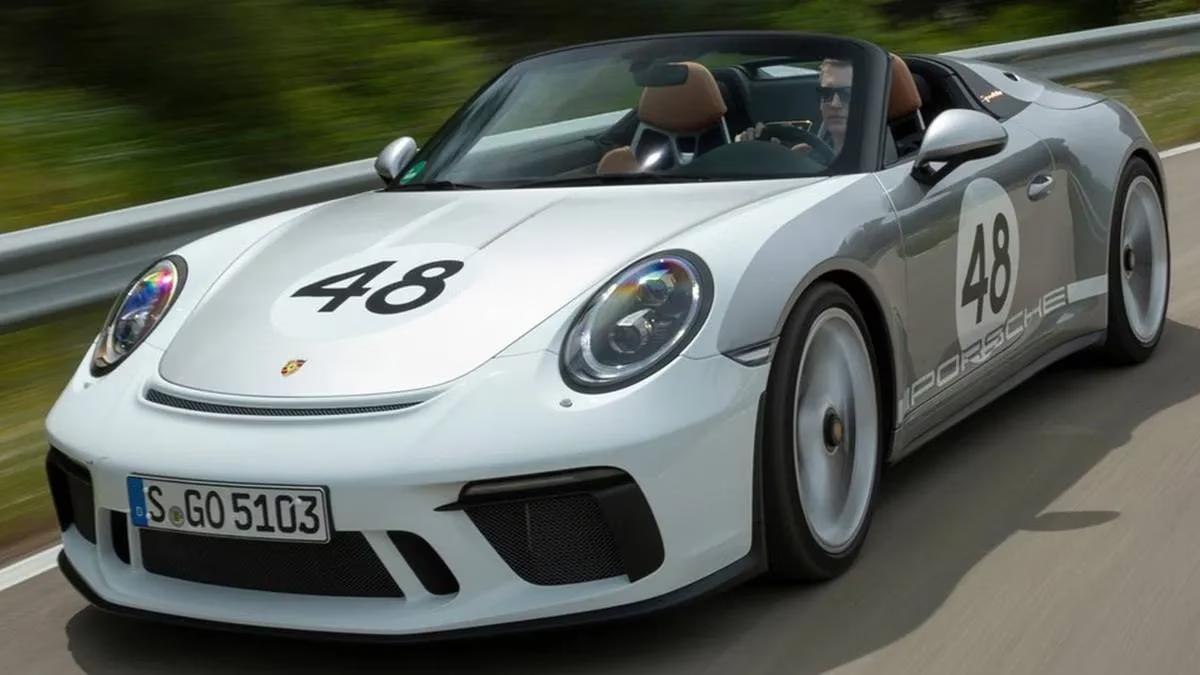
The 2019 Porsche 911 Speedster 991.2 is a particularly special model. Its 4.0-liter flat-six produces 502 horsepower and 346 lb-ft, enabling a 0-60 mph time of 3.8 seconds and a top speed of 192 mph. Its average annual maintenance estimate is $1,192, with a ten-year estimate of $18,231 and three recalls. As of 2026, these figures should be treated as planning benchmarks rather than fixed quotes because the used market continues to move.
Key Buying Checks for 2026
-
🔍 Verify the exact model year, generation, and trim before comparing reliability ratings.
-
🧾 Request a complete service history and check whether major maintenance has been completed.
-
🛠️ Arrange a pre-purchase inspection with a specialist familiar with German performance cars.
-
📋 Confirm that open recalls have been addressed.
-
💰 Budget beyond the purchase price for maintenance, tires, brakes, and insurance.
-
⚠️ Avoid known weak years when a better-rated alternative exists at a similar price.
For buyers who research carefully, used German sports cars can deliver outstanding performance and luxury for far less than new-car prices. The best candidates are not simply the cheapest examples; they are the models with strong reliability records, manageable maintenance costs, and clean histories. In 2026, patience and inspection remain the most valuable tools in the search.