
I have a confession: I love the Tesla party trick. The instant torque, the sci-fi silence, the way a Model 3 can make a 20-year-old hot hatch feel like a fax machine. But after digging into owner reports, reliability rankings, and repair bills, I have to ask: is a Tesla a low-maintenance appliance, or a very fast pet that occasionally chews up your budget? In 2026, the answer is still “yes, sort of, and please read the fine print.”
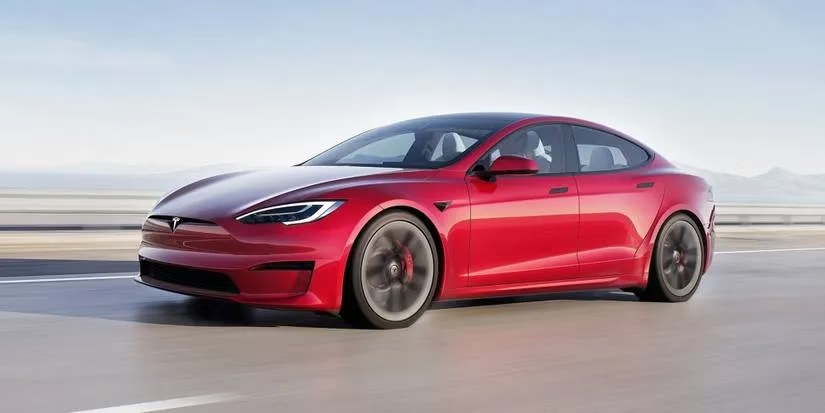
On paper, the lineup I care about here is still the famous four: Model S, Model X, Model 3, and Model Y. Sedans, crossovers, at least 300 miles of range in most trims, comfortable rides, and enough tech to make a spaceship jealous. Safety? Excellent. Five-star Euro NCAP ratings across the board, and the Model X has that almost uncanny rollover behavior. Living with one in the U.S. or Europe is easy thanks to the charging network. So why do I sound like a guy warning you about a used boat?
Because reliability is the plot twist. Tesla has ranked near the lower end of J.D. Power and Consumer Reports studies, with around 171 issues per 100 cars in the data the article cites, versus roughly 120 for many other automakers. Some of those issues are tiny: a trim panel, a sensor, a software gremlin. Others are not tiny at all: battery-pack problems and overheating can turn a cool road trip into a very expensive campfire story. Tesla has used recalls and over-the-air updates to patch plenty of things, but “we can fix it later” is not my favorite feature.
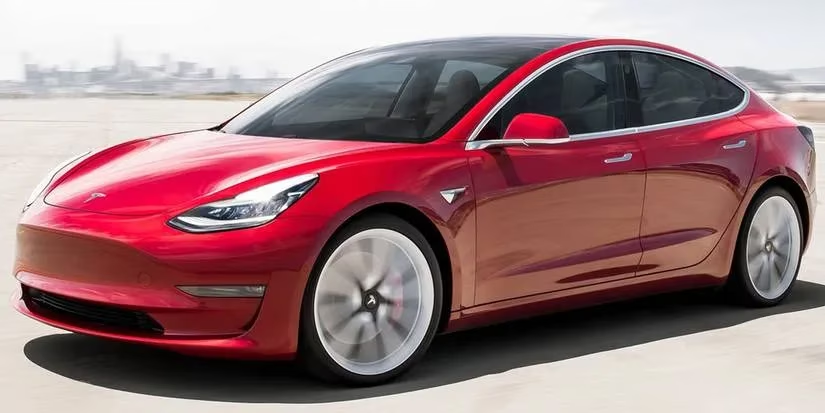
Now, the maintenance myth. Yes, there is no oil change, no spark plugs, no pulley replacement, and the electric motor has about one moving part. That sounds like heaven. Then RepairPal enters the chat and says Teslas are 27% more likely to need maintenance than gas cars, with annual costs around $830 versus $650 for a similar gasoline model. Why? Parts. Tesla parts are not shared across a giant family of brands like VW or Toyota parts, so prices stay spicy. One Model X owner reportedly paid about $1,500 for a windshield because only Tesla makes that shape. Ouch.
Is that enough to scare me away? Not entirely, but it changes the math. A Tesla can be cheap to fuel and still expensive to fix. Tires, insurance, and out-of-warranty repairs can quietly eat the savings from skipping gasoline. And because third-party parts support is still thinner than it is for legacy brands, you cannot always bargain-hunt your way out of a dealer quote.
The model-by-model story is a mixed bag. The 2019–2021 Model S, Model X, and Model Y years are the ones I would inspect with a flashlight and a suspicious squint, because that was peak “quantity over quality” energy. The Model 3 from those years rated around average, which is honestly a compliment in Tesla land. Common trouble spots include faulty sensors, heat-pump failures that hurt range, panel gaps, air-conditioning failures, and water leaks from substandard seals. Early Model X Falcon Doors had electrical tantrums and sensor issues; Tesla fixed most of that, but early cars are still early cars.
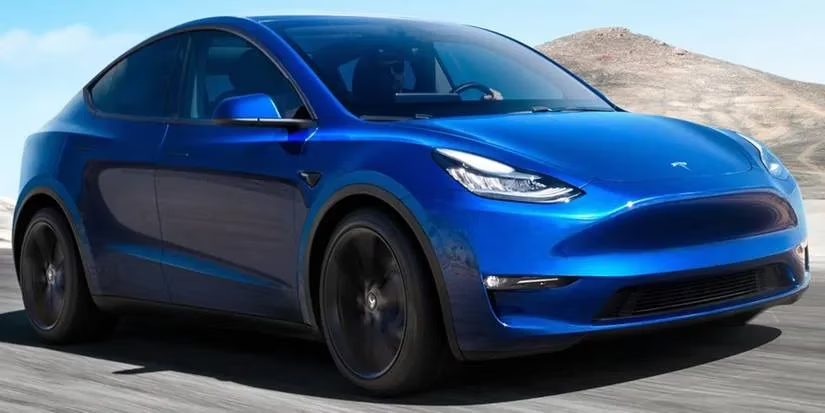
The Model Y has had multiple recalls since 2020, including wheel alignment, tire-pressure loss, and a software glitch that could make automatic braking trigger at random. The Model S, after more than a decade of production, mostly sorted itself out, yet recent years have shown some electrical and suspension complaints. The Model 3 remains the sensible one, and Consumer Reports has pointed to it as the Tesla it would actually recommend. Funny how the “boring” one wins.
So what do I do if I want one in 2026? I research the exact model year, check recall history, get a pre-purchase inspection, and budget for maintenance like a responsible adult instead of a kid buying a gaming PC. I also remember the good parts: performance, range, safety, charging, and software that keeps improving. Tesla is still a force. But “unstoppable force” and “cheap to own” are not the same sentence. Would I buy one? Maybe. Would I buy one without homework? Absolutely not. ⚡😅