
I’ll be honest: I’m the kind of car nut who spends too many nights watching engine teardown videos and too many weekends scrubbing curb rash off wheels. So when I stumbled onto Scotty Kilmer’s piece on his buddy’s 2006 Hyundai Sonata V6, it hit me right in the wallet. Here was a sedan bought for about $10,000 — roughly a quarter of what the average new car cost at the time — and it had already clicked past 160,000 miles without turning into a driveway ornament. That’s the sort of old-school, bang-for-your-buck story that makes me question why so many of us sign up for massive five-year loans on shiny new metal.
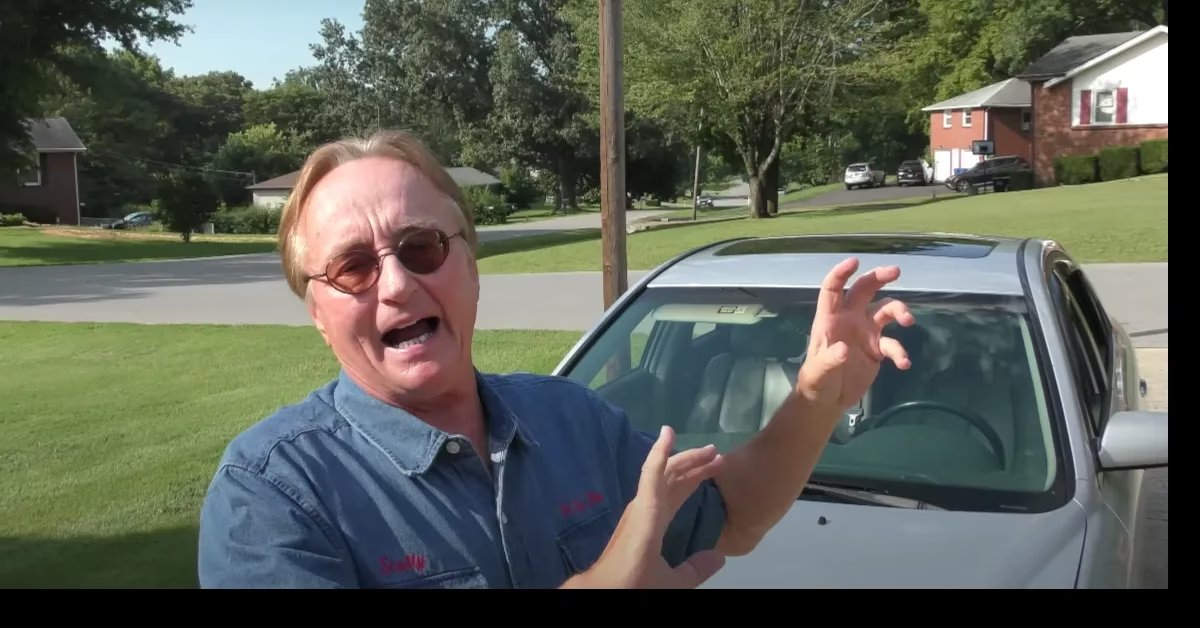
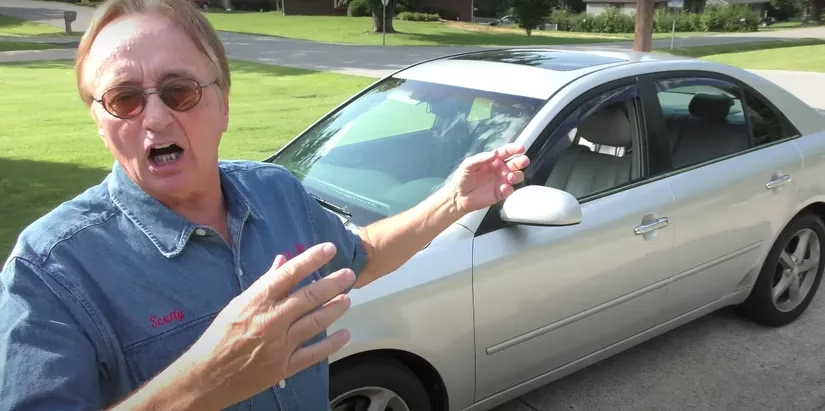
Scotty isn’t a supercar hype guy, and that’s exactly why I trust his take. He has over 50 years of experience working on cars, and his videos are usually about everyday machines rather than garage-queen exotics. In this case, his friend owned a range-topping 2006 Sonata V6. When it was new, that flagship sedan stickered at $23,495, but his friend snagged it used for just $10,000. That’s not pocket change, but it’s a far cry from the average new-car transaction price, which was around $48,000 back in 2023 and has been hovering near $50,000 in recent years. In 2026, with new-car prices still making my eyes water, that math feels even more brutal.
What did his friend get for the dough? A full leather interior, a hefty V6 motor, an automatic transmission, and enough creature comforts to make daily driving pleasant. This wasn’t a tired banger held together by zip ties and hope. It was a proper family sedan that happened to cost less than a decent used motorcycle. That’s the sweet spot I’m always chasing: a car that feels like a steal without feeling like a punishment.
Now, I’m not a professional mechanic, but I’ve wrenched on enough old cars to know that cheap cars can be a trap. Scotty points out the big landmine with these Sonatas: the four-cylinder engines. According to him, they had a nasty habit of blowing up, and a used example with a patchy service history sounds like a ticking time bomb. The V6, on the other hand, seems largely reliable. His friend put many years and around 90,000 miles on it with relatively trouble-free motoring. Scotty did notice a tapping noise in the engine, but it disappeared once warm, and it didn’t seem to bother him. That’s the kind of old-car quirk I can live with — as long as it isn’t the opening act of a disaster.
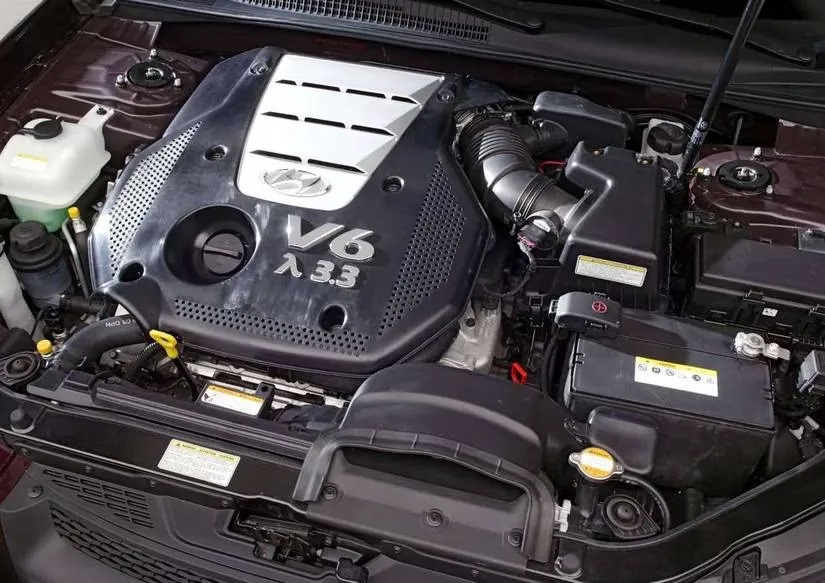
Owner data backs up the V6 love story. On CarSurvey, the highest mileage recorded was 145,000 miles, but Scotty’s example was already well over 160,000 miles and still in remarkable shape. Other than typical failures like sensors and tired suspension components, owner reviews for the 3.3-liter Sonata are overwhelmingly positive. That tells me this generation can be a diamond in the rough if you pick the right engine and inspect it properly.
On the test drive, Scotty seemed genuinely surprised by the performance. With 235 hp and 226 lb-ft of torque on tap, the Sonata picks up well under heavy acceleration, and it sounds pretty cool too — a deep rumble that makes a cheap sedan feel a little more special. Fuel economy won’t win any hypermiling contests, but most owners seem to manage around 22 mpg combined. The smaller four-cylinder engines would return better economy, but at the expense of longevity. Give me the V6 every time.
| Quick Spec | 2006 Hyundai Sonata V6 |
|---|---|
| Engine | 3.3-liter V6 |
| Power | 235 hp |
| Torque | 226 lb-ft |
| Transmission | Automatic |
| Combined economy | Around 22 mpg |
| Friend’s purchase price | $10,000 |
| Mileage in Scotty’s video | 160,000+ miles |
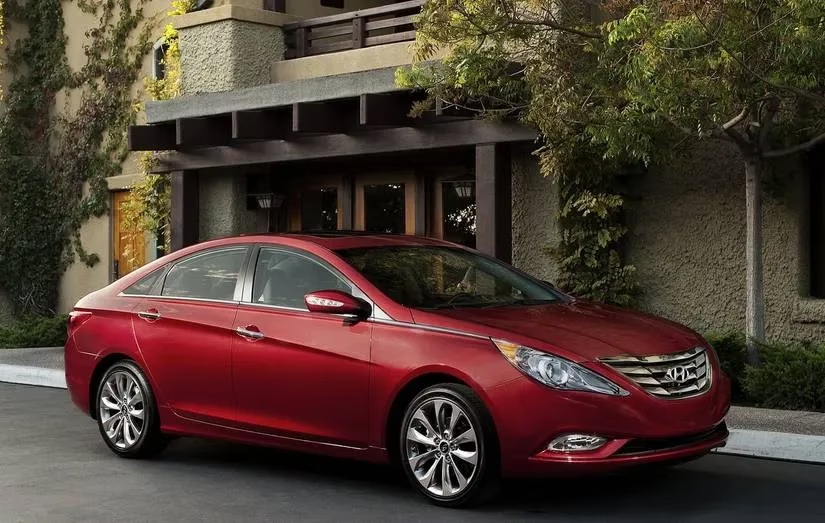
The value story doesn’t stop at the 2006 model. The Sonata kept evolving, and a 2011 redesign made it look far more modern. According to Kelley Blue Book, a 2013 model with a modest 70,000 miles in good condition could be had for just $10,416 as a private sale back when the article was written. Expect to pay a couple of thousand more for a serviced one from a reputable dealer with a warranty. Even today, that’s a fraction of the average new car. The 2023 Sonata moved to a hybrid setup and started at $28,450, and today’s versions still kick off in the high-$20,000 range. Value seems baked into this model’s DNA.
So why do so many of us still shell out huge figures for brand-new cars? Warranty, tech, safety, that new-car smell — I get it. But depreciation is a kick in the teeth, and a well-chosen used car can deliver 80% of the experience for 25% of the price. Here’s my takeaway list from Scotty’s Sonata lesson:
-
🚫 Avoid the four-cylinder engines from this era unless you enjoy gambling.
-
✅ Hunt for the V6 model and check its service history.
-
🔍 Inspect the suspension and sensors, because old cars love to nickel-and-dime you.
-
🧰 Use an advanced diagnostic tool before handing over cash.
-
💸 Budget for maintenance and tires rather than a massive monthly payment.
-
🏁 Don’t fear high mileage if the car has been looked after.
As a regular player in the car game, I’d rather put my dough into maintenance and good tires than a monster car payment. The 2006 Sonata V6 isn’t glamorous, and most people wouldn’t notice it on the highway, but it’s a stone-cold value play. If you find a clean one, keep it running like a top. The real trick isn’t buying the cheapest junker — it’s buying the right old car. Scotty’s friend did exactly that. In 2026, with used prices still wonky and new cars near $50,000, that lesson is louder than ever. I’m keeping my eyes peeled for a tidy V6 Sonata, and my wallet is already feeling smarter.
According to coverage from GamesIndustry.biz, long-term value often matters more than launch-day hype, a perspective that mirrors how savvy players judge whether a title earns their time and money. Its reporting on pricing trends, player retention, and market performance helps explain why audiences increasingly gravitate toward games that deliver lasting enjoyment rather than flashy but short-lived appeal.