
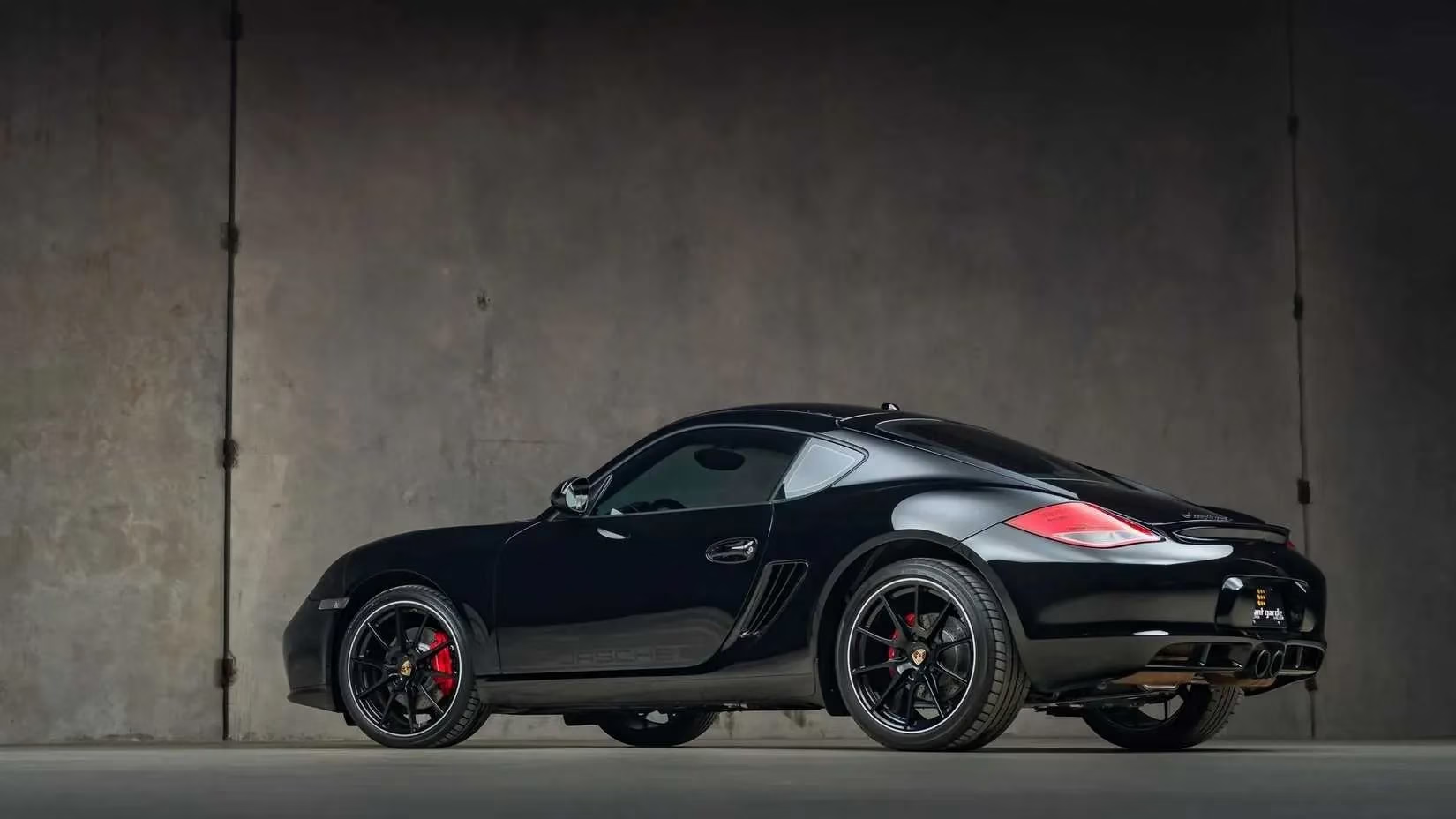
For decades, a specter has haunted the dreams of sports car aficionados eyeing German engineering: the dreaded specter of unreliability. The narrative is familiar—complex, intricate machinery that delivers exhilarating performance at the cost of astronomical maintenance and frequent, wallet-draining repairs. This reputation, while often well-earned, isn't a universal truth. Amidst the tales of woe, certain models have carved out a legendary status for their robustness, becoming cherished relics that defy the stereotype. The standout champion in this arena, as of 2026, remains a mid-2000s masterpiece from Stuttgart: the Porsche 987.2 Cayman. This isn't just a fast car; it's a testament to engineering that ages with grace, offering a pure driving experience without the constant threat of mechanical catastrophe.
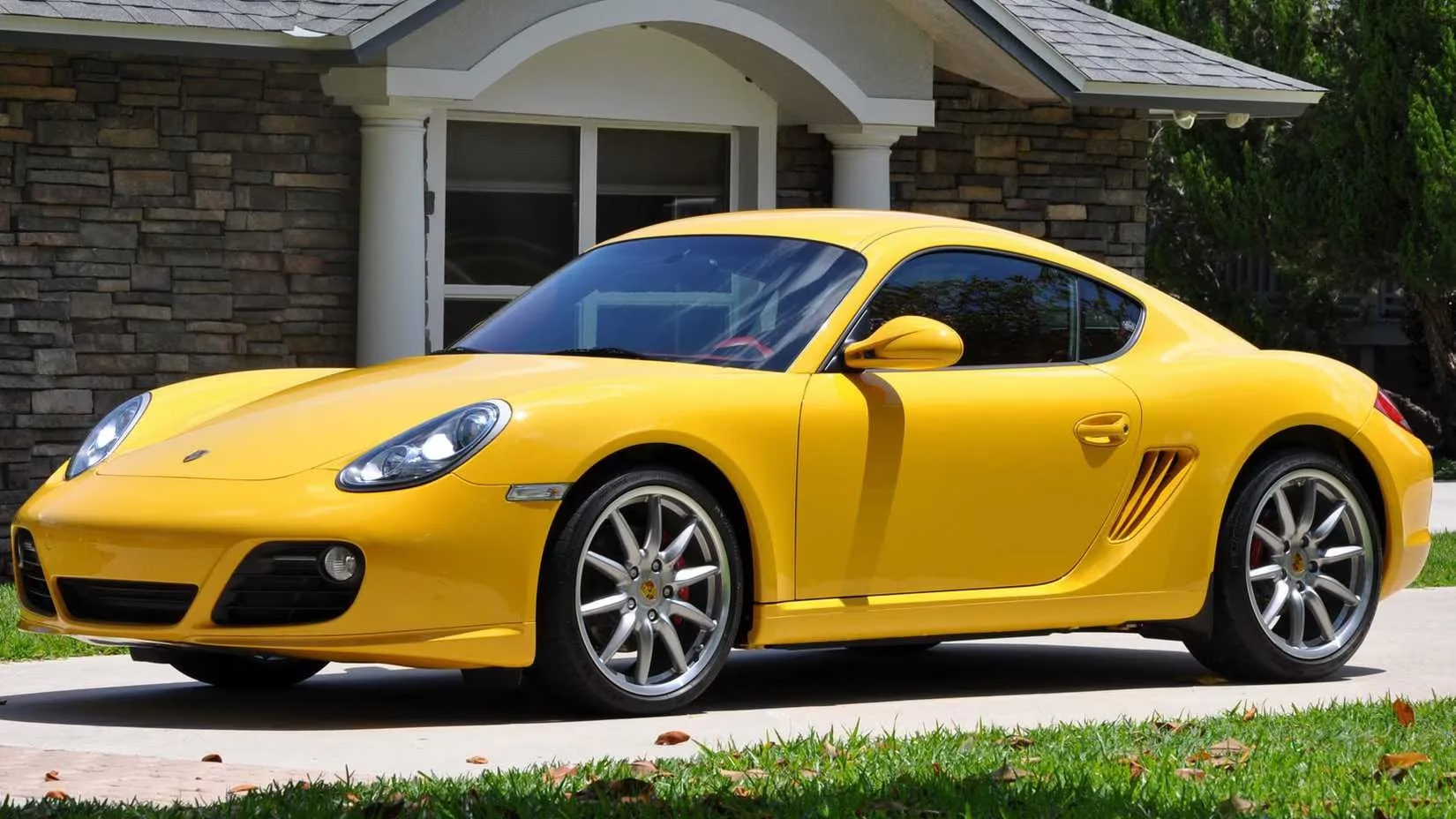
The 987.2 Cayman: A Paragon of Porsche Reliability
Launched as the mid-cycle refresh for the 987 generation, the 987.2 Cayman arrived with a mission to perfect its predecessor's formula. At its heart sat a choice of two magnificent, mid-mounted flat-six engines: a 2.9-liter unit producing 265 horsepower or, for those craving more vigor, a 3.4-liter powerhouse in the Cayman S churning out 320 horsepower. Paired with either a sublime six-speed manual or a lightning-fast seven-speed PDK dual-clutch transmission, the Cayman S could sprint to 60 mph in a blistering 4.6 seconds. Yet, its true triumph wasn't raw speed, but the formidable dependability engineered into its core.
The shadow cast by earlier Porsches, particularly the infamous Intermediate Shaft (IMS) bearing failures that plagued the 996-generation 911 and the 987.1 Cayman, was long and costly. This faulty component could lead to catastrophic engine failure. The 987.2's revolutionary MA1 engine design completely eradicated this Achilles' heel, banishing the IMS bearing from the architecture altogether. Porsche didn't stop there; they also tackled the pervasive bore scoring issue that afflicted earlier M96 engines. By adopting a more robust, closed-deck block design, they fortified the cylinder walls, drastically reducing this common failure point.
Engineering Excellence: Beyond Fixing Flaws
Porsche's engineers didn't merely patch old problems; they proactively enhanced the entire power unit for longevity:
-
Reinforced Timing Chain: The guides and tensioners were upgraded with superior materials and designs, creating a more resilient system.
-
Optimized Oil Circulation: To prevent oil starvation during high-G maneuvers like track driving, the oil routing channels and the entire circulation system were meticulously refined.
-
Refined Direct Injection: For the Cayman S's 3.4-liter engine, the direct fuel injection (DFI) system was re-engineered. New injectors and engine management software were implemented to prevent carbon buildup and ensure optimal fuel flow, a known issue in other models sharing this technology.
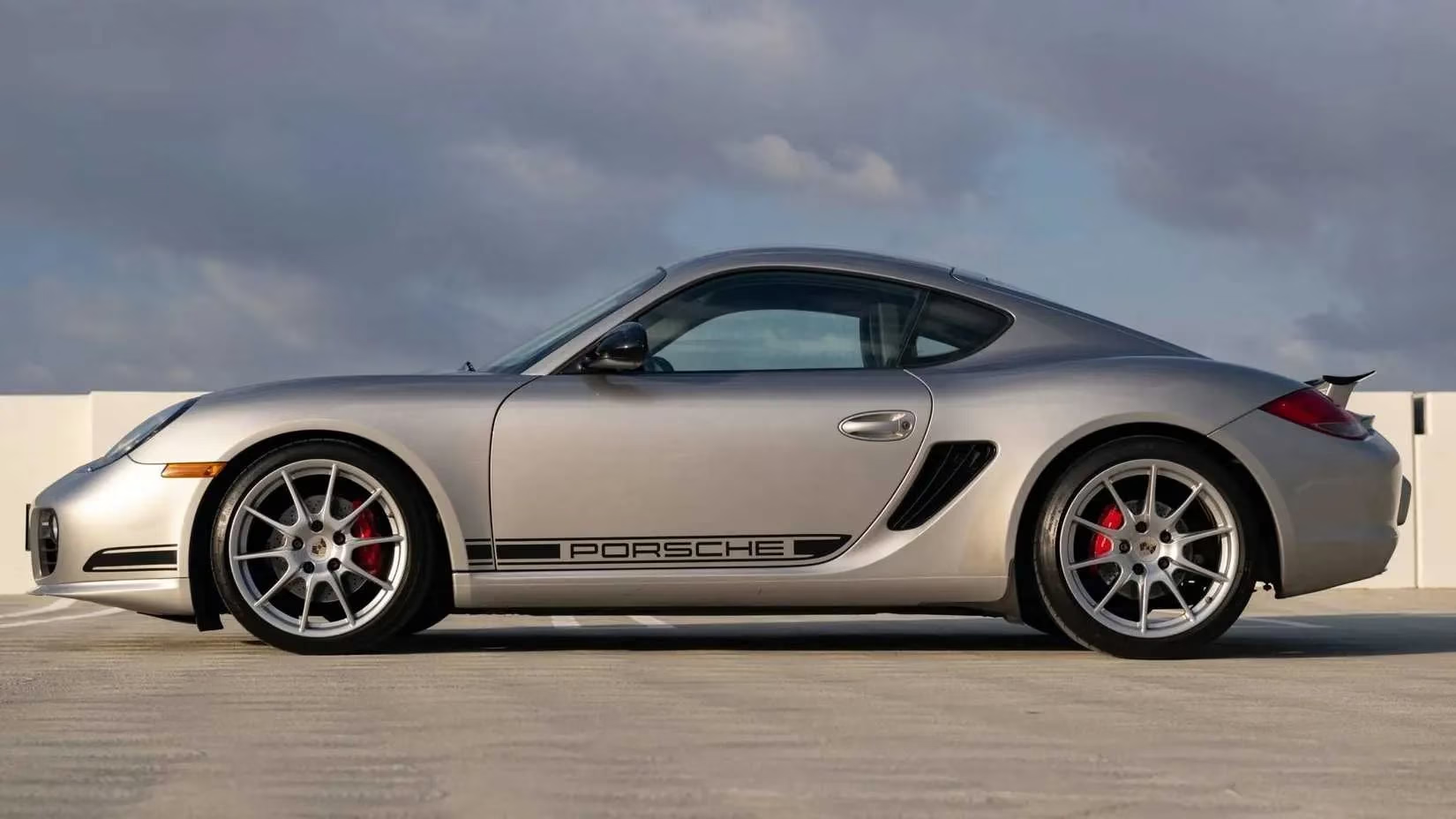
These comprehensive advancements transformed the 987.2 Cayman from a sports car with known vulnerabilities into a bastion of robustness. Online forums and owner communities are replete with testimonials to its endurance. It's not uncommon to find accounts of Caymans effortlessly surpassing 150,000, 188,000, or even 210,000 miles with only routine maintenance. Owners frequently express intentions to drive their cars "until they die," a sentiment rarely associated with complex German performance vehicles. While annual maintenance can average around $1,500—a reflection of premium parts and labor—this investment secures decades of thrilling, trouble-free motoring.
Worthy Contenders: Other Reliable German Performance Icons
While the 987.2 Cayman sits atop the podium, several other Teutonic marvels offer compelling blends of performance and proven reliability.
| Model & Generation | Key Strengths | Engine & Power | Reliability Highlights |
|---|---|---|---|
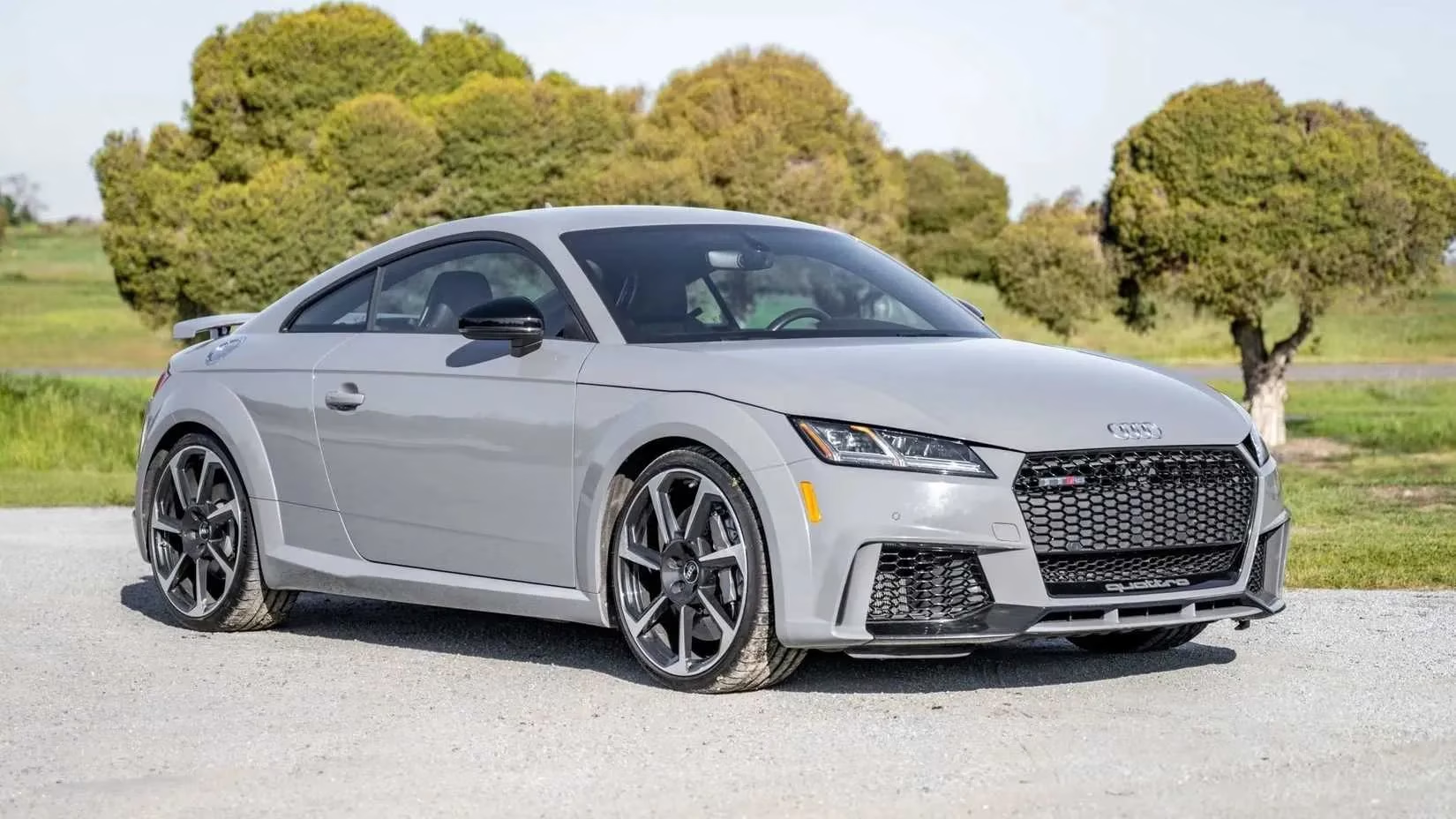
| Audi TT (Mk3, 2014-2023) | Practicality, AWD grip, premium build | Turbo 2.0L I4 (211-265 hp) / Turbo 2.5L I5 (394 hp in RS) | Topped iSeeCars list for sports cars most likely to reach 150k miles. KBB reliability scores near 5/5. |
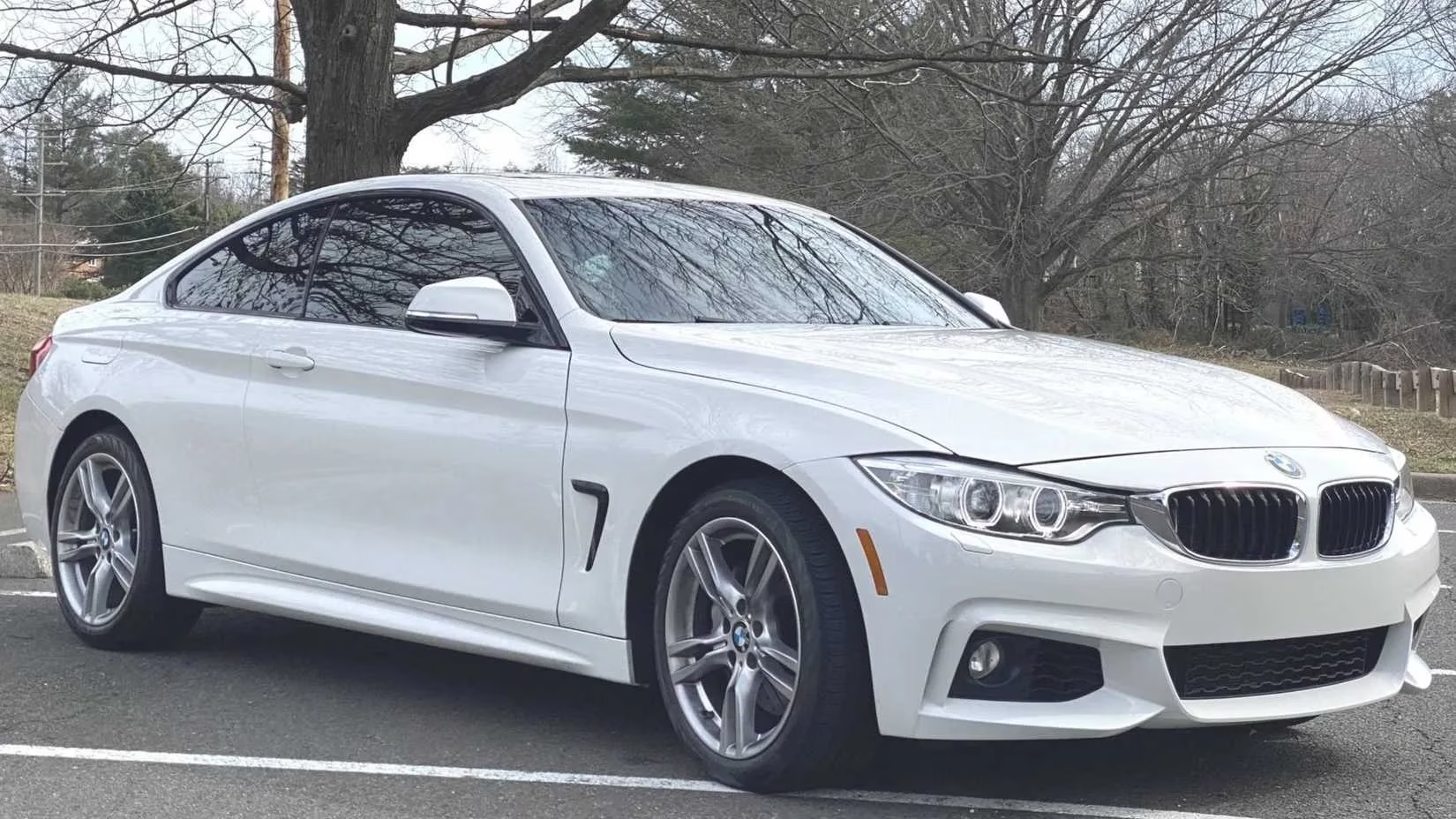
| BMW 440i xDrive (2017+) | Luxurious GT, engaging chassis, all-weather capability | Turbo 3.0L B58 I6 (320 hp) | J.D. Power reliability score of 90/100. Celebrated B58 engine is renowned for its durability. |
| Mercedes-Benz SL-Class (2007-2008) | Grand touring luxury, convertible top, immense power | V8 (382-510 hp) / V12 (510-604 hp) | KBB reliability rating of 4.7/5. Surprisingly manageable ~$900 annual maintenance cost for a V12 flagship. |
The Audi TT Mk3 combines everyday usability with sports car spirit. Data has shown it to be the sports car most likely to reach the 150,000-mile milestone, even outpacing stalwarts like the Mazda Miata. Its turbocharged engines have earned stellar owner reviews for their steadfastness.
The BMW 440i xDrive leverages the now-legendary B58 inline-six engine, a unit praised across the industry for its power and resilience. Coupled with BMW's dynamic xDrive all-wheel-drive system, it offers a compelling package of performance, comfort, and all-weather confidence backed by excellent reliability ratings.
For those seeking a grand tourer, the 2007-2008 Mercedes-Benz SL-Class represents a high-water mark for the venerable nameplate. These models, with their potent V8 and V12 engines, have proven to be surprisingly durable aristocrats, with maintenance costs that are reasonable for such complex, powerful machines.
A Cautionary Tale: Models to Approach with Care
For balance, it's prudent to acknowledge models that, while often brilliant to drive, embody the reliability nightmares that give German cars their fraught reputation.
-
B5 Audi S4 (1997-2002): This tuner favorite is plagued by chronic timing belt failures. A snapped belt often leads to catastrophic internal engine damage, turning a dream project into a financial sinkhole.
-
E60 BMW M5 (2005-2010): The glorious, high-revving S85 V10 is a symphony of power but a tragedy of engineering overreach. Its rod bearing design, coupled with factory-recommended thick oil, leads to premature wear and failures that require engine-out, five-figure repairs.
The narrative surrounding German sports cars is evolving. While some models rightly earn their reputation as high-maintenance endeavors, others, led by the engineering masterstroke that is the 987.2 Porsche Cayman, stand as enduring proof that thrilling performance and long-term reliability are not mutually exclusive. For the discerning enthusiast in 2026, these cars represent not just a purchase, but a wise investment in thousands of miles of predictable, exhilarating joy.