
The modern automobile has many ways to say “oops,” but few are as dramatic as an airbag inflator deciding to go off like a grumpy firecracker. In the great automotive safety saga that made headlines in late 2022 and rumbled through 2023, federal regulators pushed for a recall of roughly 52 million airbag inflators. The reason was not that the airbags were shy or overenthusiastic about cushioning people. It was the far more alarming possibility that a defective inflator could rupture and send metal fragments into the cabin. In 2026, the episode remains a useful cautionary tale about how complicated—and occasionally slow—vehicle safety can be.

A Cushion With a Temper
The core of the story involved inflators built by ARC and Delphi between 2000 and 2018. According to the reporting at the time, about 41 million driver and passenger inflators made by ARC were part of the proposed recall, along with up to 11 million driver inflators made by Delphi. The Delphi units were manufactured under a licensing agreement with ARC. That is a lot of hardware, and it was spread across a wide array of vehicles rather than tucked into one lonely model line.
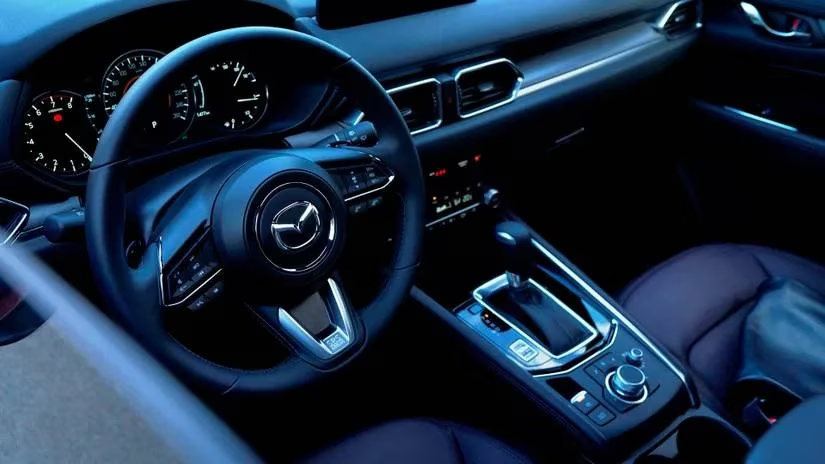
General Motors, Hyundai, Toyota, and Tesla were among the automakers using these airbags. The National Highway Traffic Safety Administration did not immediately publish a neat little list of every affected model. Instead, it left it to manufacturers to determine which vehicles contained the inflators. For owners, that is roughly the automotive equivalent of being told there may be a surprise in the cupboard, but nobody is quite sure which cupboard.
The Stakes Were Not Subtle
The safety concern was brutally simple. A ruptured inflator had already been linked to at least two deaths—one in the United States and one in Canada. At least seven serious injuries had also occurred in U.S. vehicles since 2009, with most of those instances happening after 2016. Airbags are supposed to be the emergency pillow that appears when physics has a bad day. They are not supposed to add shrapnel to the guest list.
| Piece of the puzzle | Figure | Why it mattered |
|---|---|---|
| Proposed recall scope | About 52 million inflators | A huge safety campaign with enormous logistics |
| ARC-built inflators | About 41 million | Driver and passenger units in many vehicles |
| Delphi-built inflators | Up to 11 million | Driver units made under an ARC licensing deal |
| Production window | 2000–2018 | A very long span of vehicles and model years |
| Linked deaths | At least 2 | One in the U.S., one in Canada |
| Serious U.S. injuries | At least 7 since 2009 | Most reported after 2016 |
This was not the first time airbags had become a regulatory headache. The infamous Takata episode involved a recall of 67 million airbags found in 47 million vehicles in 2014. The automotive world has therefore learned that airbag inflators are like umbrellas: useful in a crisis, but deeply unwelcome when they open at the wrong time and in the wrong manner.
ARC Pushed Back, Regulators Pushed Forward
ARC did not quietly accept the sweeping request. In May, the company said, “We disagree with NHTSA’s new sweeping request when extensive field-testing has found no inherent defect.” That is corporate language for “we think the regulators are overreacting.” NHTSA, meanwhile, was not in the mood to treat the matter as a minor clerical error. The agency put safety first and moved ahead with efforts to mount a recall.
A hearing was scheduled for October to determine the recall efforts. The process was not a simple matter of a regulator pressing a big red button. NHTSA cannot issue a recall entirely on its own; manufacturers must agree to recall requests from the agency. If a manufacturer decides to dig in its heels, the process can become lengthy, legal, and about as cheerful as a tax audit conducted in a parking garage.
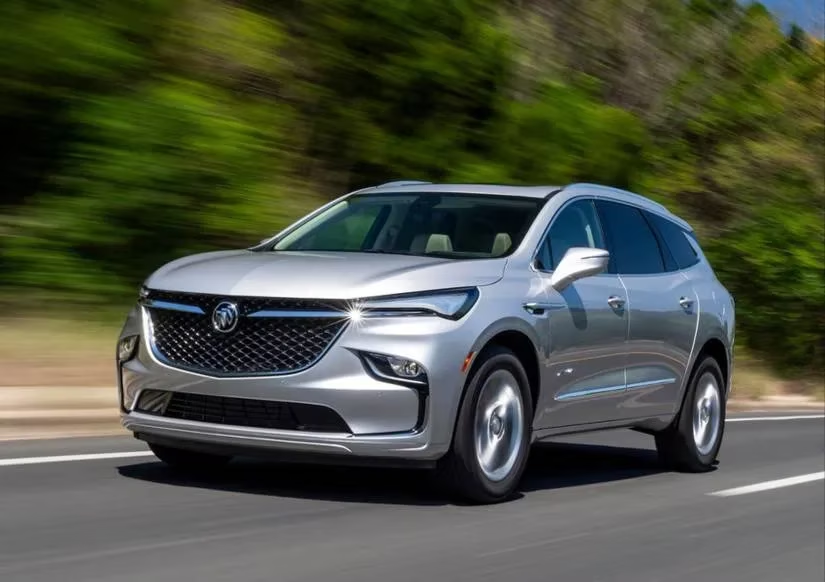
Earlier in the saga, General Motors had recalled around 1 million vehicles because of faulty airbags. That campaign included the 2014–2017 model year Buick Enclave, Chevrolet Traverse, and GMC Acadia. It was a reminder that airbag problems rarely stay in one corner of the industry. They ripple across suppliers, assembly lines, dealerships, and owner mailboxes.

What 2026 Drivers Can Take From It
By 2026, the proposed 52-million-inflator recall reads less like a breaking-news siren and more like a lingering lesson in automotive accountability. The details are a mouthful: ARC, Delphi, 41 million, 11 million, 2000–2018, two deaths, seven serious injuries, and a regulatory hearing. But the underlying message is compact: safety systems must be boringly reliable. A seat belt should not negotiate. A brake pedal should not freelance. An airbag inflator should absolutely not audition for a action movie.
For car owners, the practical takeaway is familiar but worth repeating. Recall notices are not junk mail with a fancy logo. They are the automotive equivalent of a “check engine” light that actually matters. Drivers who ignore them are essentially playing a low-stakes game of chance with high-stakes consequences. Dealerships can perform recall work, and manufacturers are required to communicate the details. The trick is for owners to pay attention rather than assume that a cheerful dashboard and a working radio mean everything is fine.
For the industry, the episode illustrates why supplier quality matters. A single inflator design can travel through millions of vehicles and multiple brands. When something goes wrong, the blame game can involve regulators, suppliers, and automakers all pointing politely at one another while owners wait for answers. It is not glamorous, but it is the machinery of modern safety.
In the end, the great airbag recall push is a reminder that cars are complicated collections of systems that must all behave. The airbag is supposed to be the hero of a crash, not the plot twist. And if 52 million inflators are enough to make regulators, suppliers, and automakers reach for the antacid, that is probably a sign the humble airbag deserves more respect—and considerably less drama.