
In a significant move highlighting the growing pains of automotive digitization, Toyota Motor Corporation has announced a major safety recall affecting a staggering 591,377 Toyota and Lexus vehicles. The issue? A pesky software glitch in the instrument panel that can leave drivers in the dark—quite literally. When you hop in your car, you expect the dashboard to light up with speed, fuel level, and any warning lights, right? Well, for nearly 600,000 owners of 2023 through 2025 models, that basic expectation can't be taken for granted. This isn't just a minor inconvenience; it's a blank screen hiding critical safety data, a problem Toyota is scrambling to fix starting this fall.
The core of the problem is a startup error in the software that runs the digital instrument cluster. Imagine turning the key or pushing the start button, and instead of your familiar gauges, you're greeted by... nothing. Nada. Zilch. This malfunction can prevent the display of vital information like vehicle speed, brake system status, and tire pressure warnings. Toyota has been quick to note that, thankfully, no injuries or crashes have been linked to the glitch so far. But let's be real—driving without knowing how fast you're going or if your brakes are having a moment is a safety risk no one should take. It's like the car's brain decided to take a coffee break right when you need it most.
The recall casts a wide net, showing that even Toyota's most advanced and popular models aren't immune to the gremlins of modern software. The affected lineup is a veritable who's who of Toyota's best-sellers and newest stars:
-
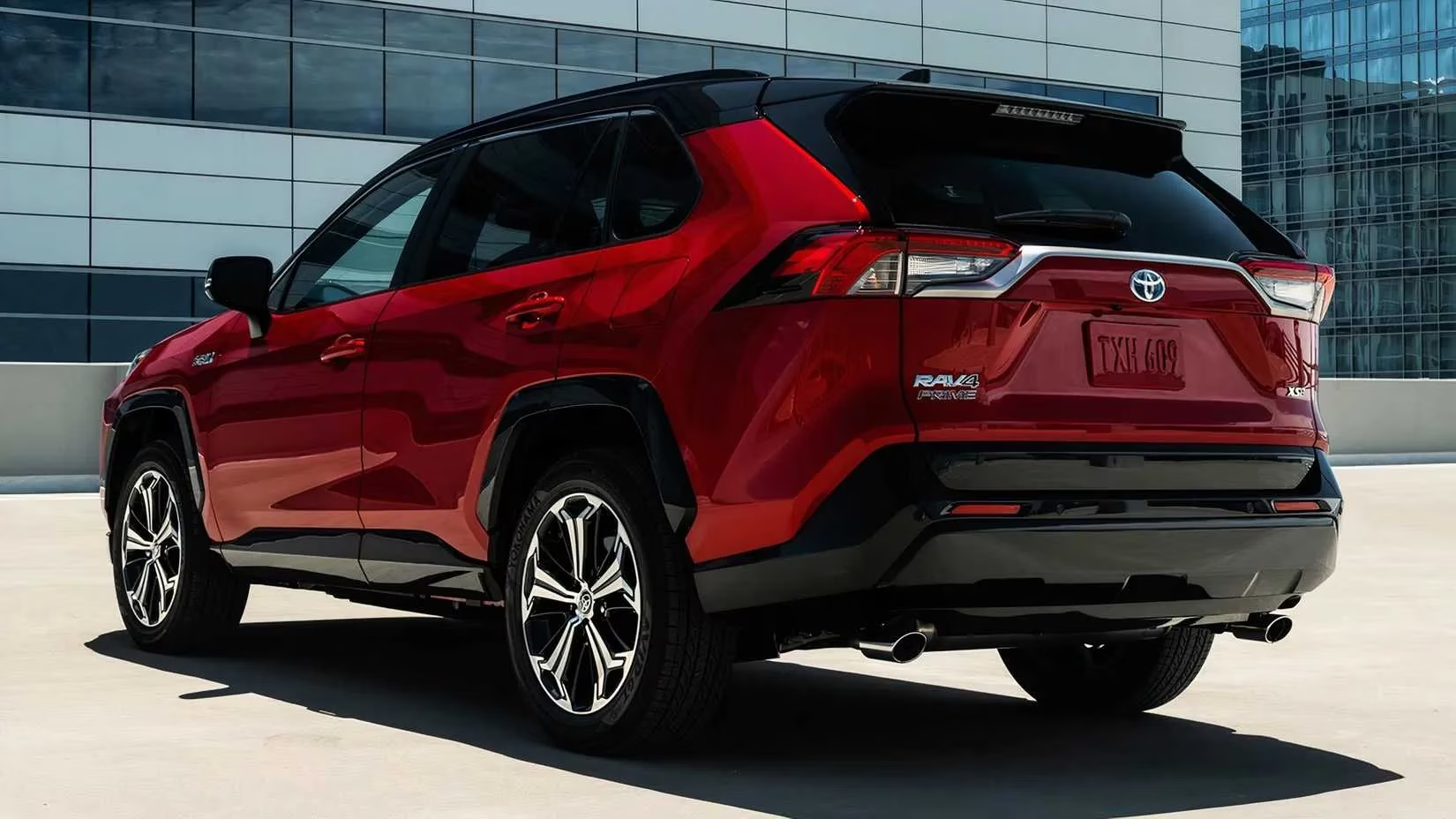
Toyota RAV4 & RAV4 Prime (PHEV): The compact SUV king and its plug-in hybrid sibling.
-
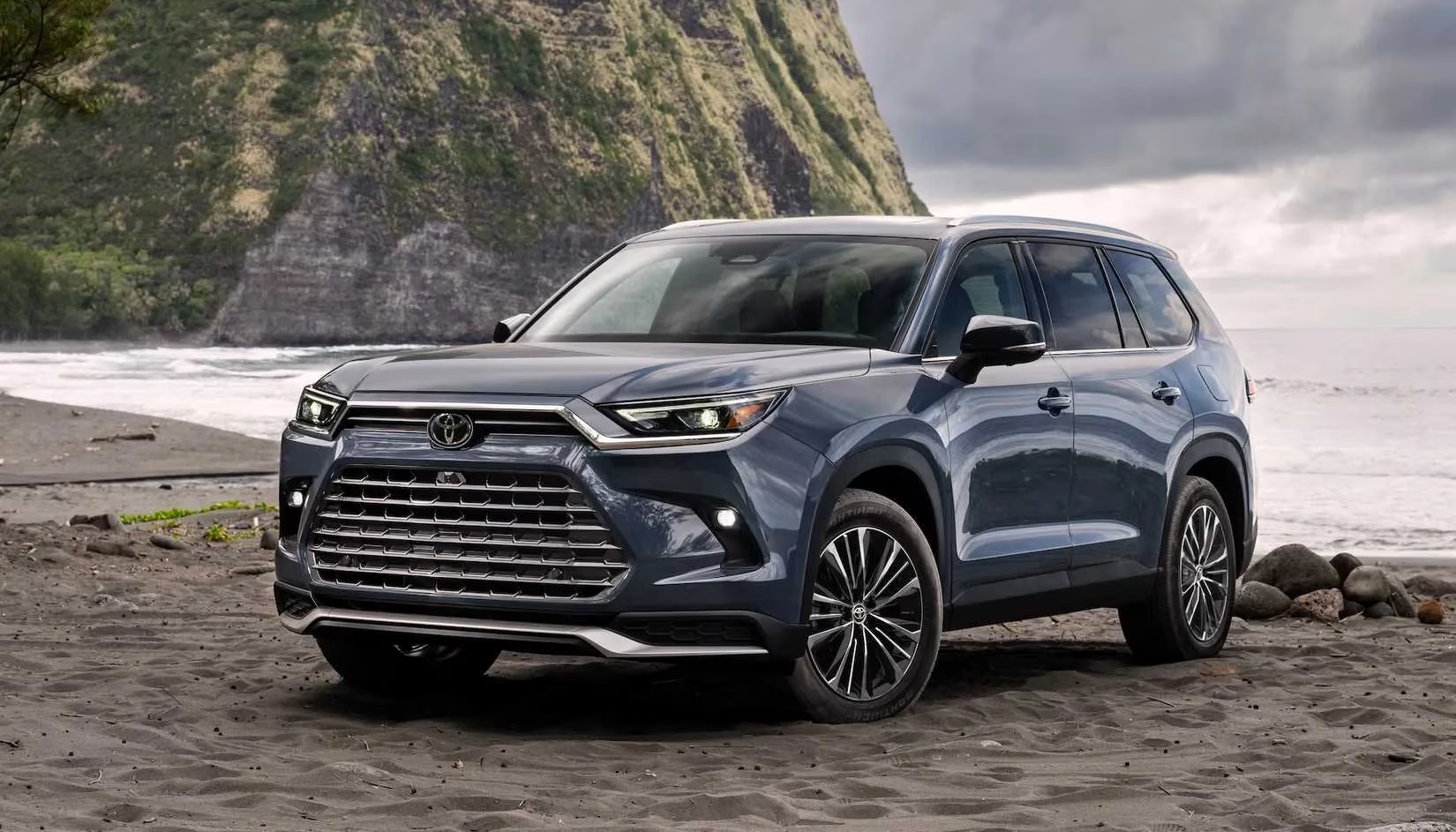
Toyota Highlander & Grand Highlander: The family haulers of choice.
-
Toyota GR Corolla: The hot hatch for driving enthusiasts.
-
Toyota Tacoma: The rugged, go-anywhere pickup.
-
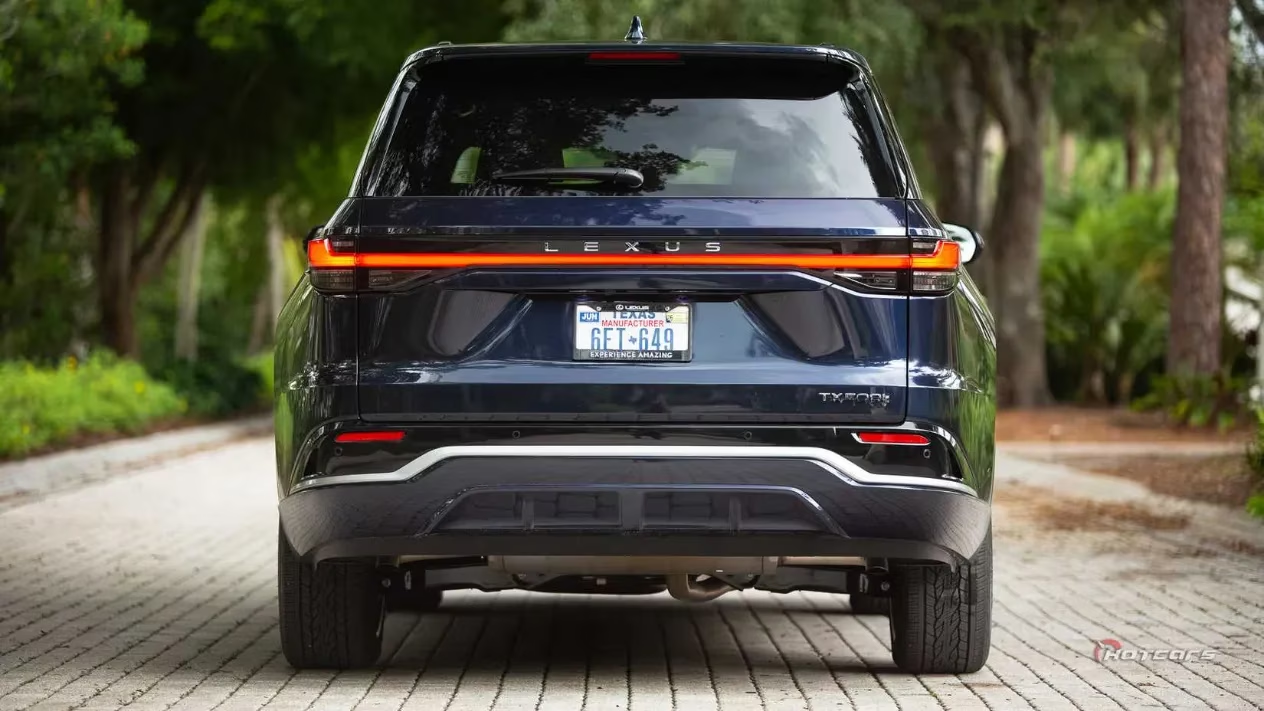
Lexus TX: The brand's new three-row luxury SUV.
Fixing this digital hiccup isn't a one-size-fits-all job. The repair procedure depends on the vehicle's underlying architecture. For most standard models, a dealership technician will simply perform a software update to patch the bug. However, for plug-in hybrid models like the RAV4 Prime, the process is a bit more hands-on. Dealers will need to inspect the entire instrument panel assembly to decide if a software flash will do the trick or if a full physical replacement of the cluster is necessary. This variance underscores how complex modern vehicle electronics have become.
Owners won't be left waiting in the dark for long. Toyota has outlined a clear timeline for the remedy:
-
Initial Notification (Late October 2025): Owners will receive the first alert about the recall.
-
Repairs Begin (October 27, 2025): Dealerships will start updating software or replacing clusters.
-
Final Remedy Letters (By December 2025): Once Toyota finalizes the complete fix for all models, a second notification with detailed instructions will be sent.
All repairs will be performed at no cost to the vehicle owner, covering both the labor and any required parts.
This recall is more than just a single corporate action; it's a stark reminder of a broader industry shift. Cars are no longer just mechanical marvels; they're rolling computers on wheels. Software reliability is now as crucial as a reliable engine or a sturdy transmission. Toyota itself has invested heavily in its Toyota Software Development Group, a team dedicated to managing over-the-air updates, digital diagnostics, and the complex integration with hybrid and electric powertrains.
The timing is notable. Toyota's digital ecosystem is expanding faster than ever, with new systems like the Lexus Interface infotainment and advanced hybrid monitoring across models like the Crown and Grand Highlander. These features offer incredible convenience and control, but they also open new doors for potential failures. It's the classic tech trade-off: more features, more complexity, more things that can, well, go sideways. Regular software updates are becoming as fundamental to car maintenance as changing the oil used to be.
For affected owners, the path forward is straightforward. Upon receiving the notification, they should contact their local Toyota or Lexus dealership to schedule the update. In the meantime, drivers should remain extra vigilant. If the instrument panel does fail to illuminate, they should rely on other cues—engine sound, traffic flow—and pull over safely as soon as possible to avoid driving without critical information. It's a temporary inconvenience, but one that underscores our deep reliance on the digital heartbeat of our vehicles.
As we move further into 2026, this recall serves as a case study for the entire auto industry. The march toward software-defined vehicles is unstoppable, but it requires a new level of diligence from manufacturers. Proactive monitoring, rapid over-the-air update capabilities, and transparent communication with customers are no longer optional extras—they're the new pillars of automotive safety and satisfaction. Toyota's large-scale response shows it's taking these responsibilities seriously, even if it means occasionally having to call hundreds of thousands of drivers back to the shop for a digital tune-up.