
As a longtime Toyota enthusiast who has owned several models over the years, I've come to appreciate the brand's reputation for reliability while also recognizing that even Toyota has its occasional missteps. Having driven everything from Corollas to Camrys, I've witnessed firsthand how most Toyotas deliver exceptional longevity, but recent experiences with some newer models have revealed surprising weaknesses in the company's otherwise sterling track record.
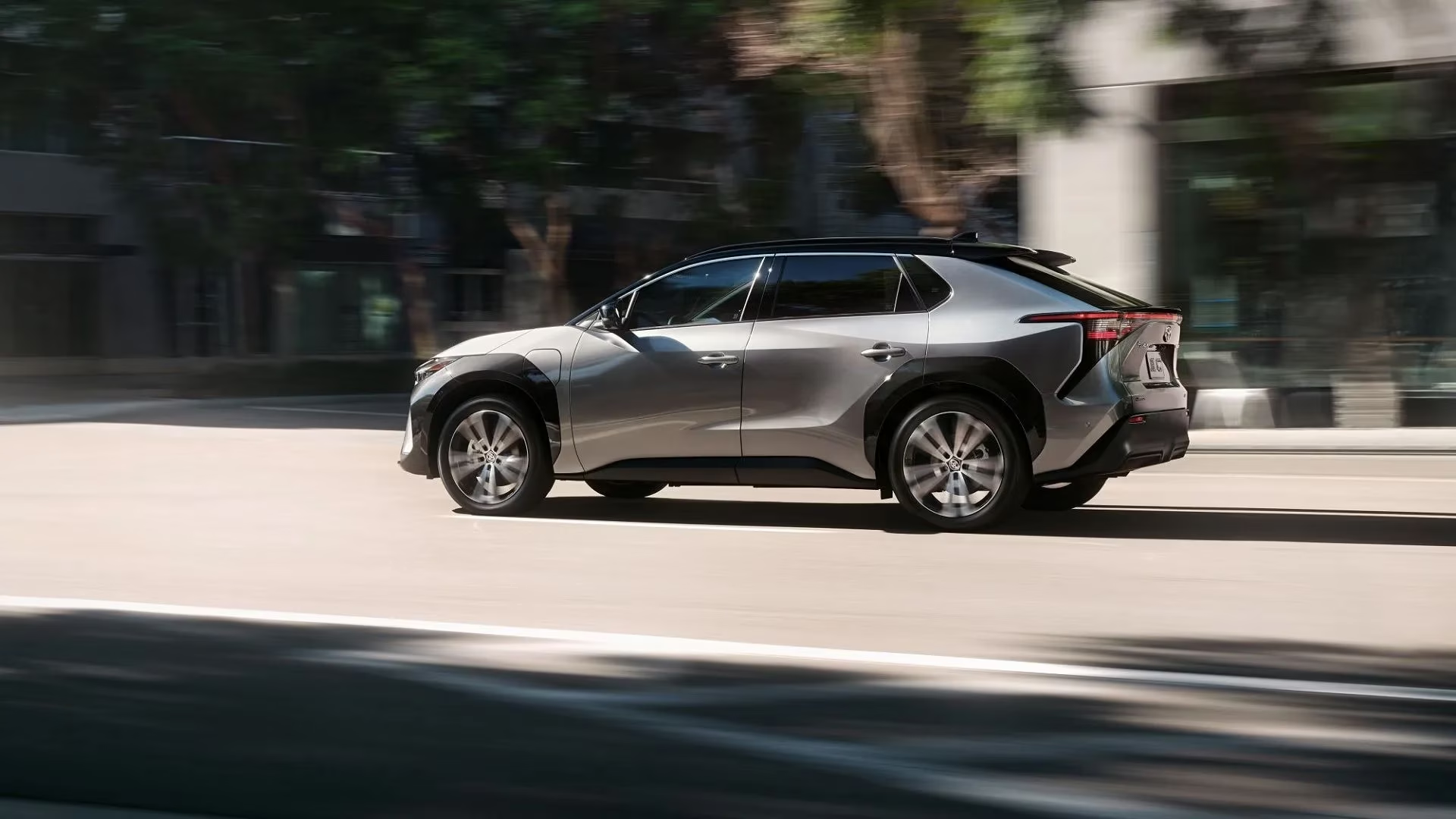
My journey with Toyota's electric offering, the bZ4X, began with optimism but quickly turned concerning. This electric crossover, Toyota's first major foray into full electrification, feels like a promising concept that stumbled in execution. The vehicle's electrical system behaves like a temperamental orchestra conductor—sometimes harmonizing beautifully, other times creating discordant notes that leave you stranded. The infotainment system occasionally freezes mid-journey, while the battery management system has proven unexpectedly fragile, with some units draining completely within weeks of ownership.
What's particularly disappointing is how the bZ4X's reliability scores pale compared to Toyota's traditional offerings. With J.D. Power rating it at 64 and Consumer Reports giving it a mere 47/100, it's clear this vehicle represents growing pains for Toyota's electric transition. The 2022 recall involving wheel hub bolts that could loosen—potentially causing wheels to detach while driving—was especially alarming. While Toyota addressed the issue, the incident shook my confidence in their electric vehicle quality control.
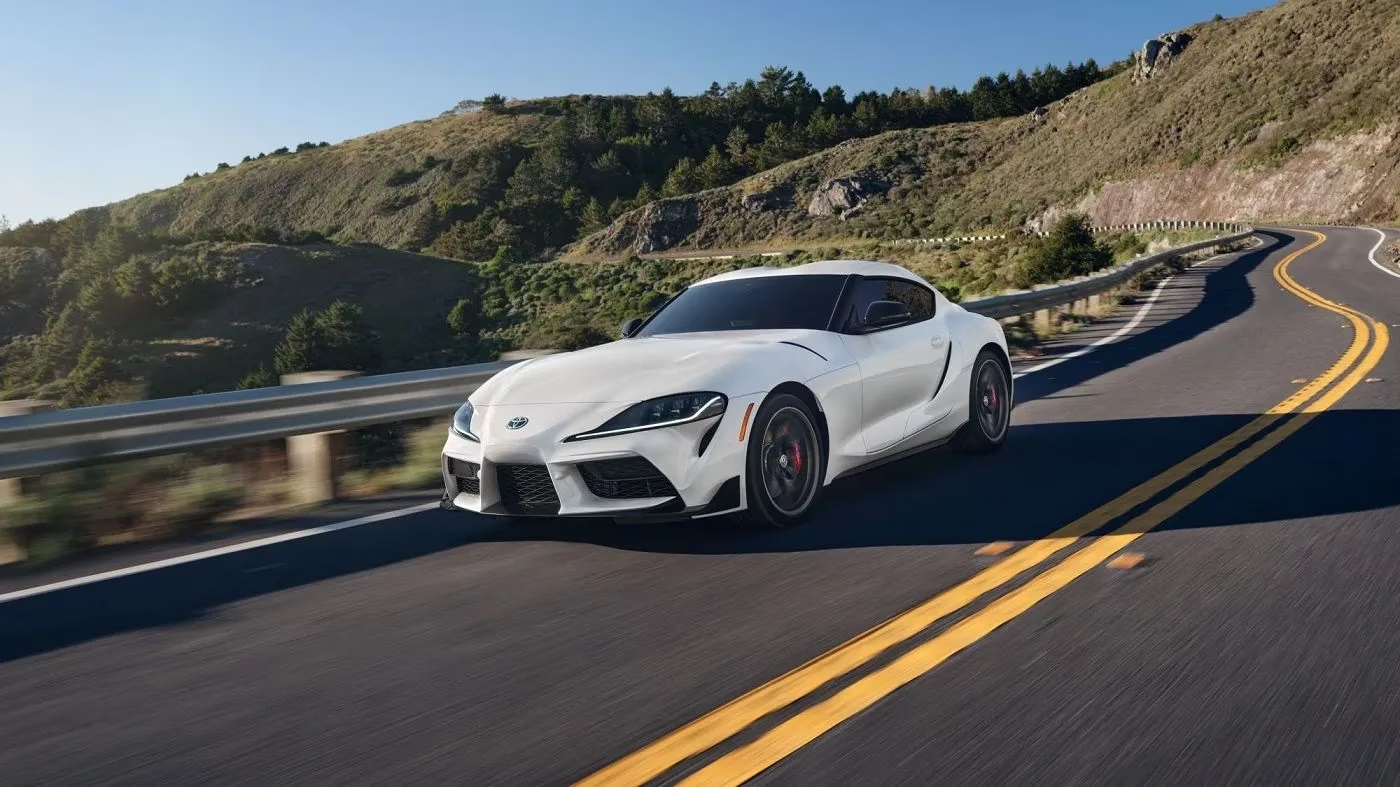
The Supra's return was meant to be a triumphant revival, but owning the 2021 model revealed underlying issues that felt like beautiful architecture built on questionable foundations. The BMW-sourced engines, while powerful, demonstrated concerning oil consumption patterns that reminded me of a sophisticated timepiece that loses minutes each day—seemingly minor but fundamentally problematic. My own experience with cylinder scoring issues at relatively low mileage was frustrating, particularly when fellow owners on Supra forums reported similar problems.
What makes the Supra's reliability issues particularly puzzling is how they contrast with Toyota's typical engineering excellence. The chassis and suspension development showed Toyota's trademark precision, but the powertrain problems created a vehicle that felt like a master painter working with subpar brushes—the vision is there, but the tools undermine the artistry.
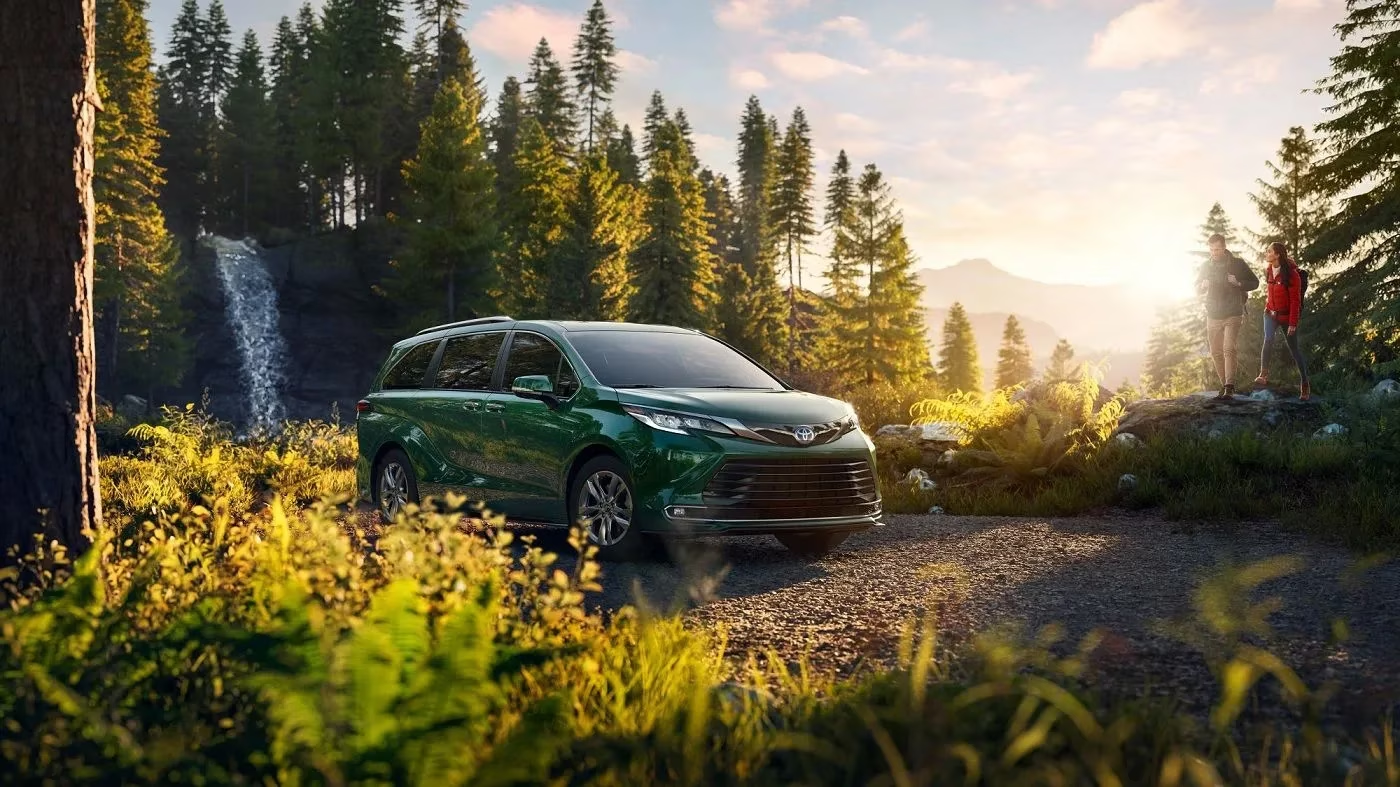
As a family vehicle, the Sienna promised practicality but delivered mechanical headaches that transformed family trips into exercises in patience. The sliding door mechanisms proved particularly problematic, failing with a frequency that turned simple school drop-offs into complex logistical operations. These doors became like unreliable theater curtains—sometimes opening smoothly for the performance, other times getting stuck halfway and ruining the show.
The dashboard cracking issues and oxygen sensor failures added to the frustration, creating a vehicle that felt like a beautiful mansion with plumbing problems—superficially impressive but fundamentally flawed in daily operation. With only 59% of owners stating they would purchase another Sienna according to survey data, it's clear I'm not alone in my disappointment.
| Model | Key Reliability Issues | Owner Satisfaction |
|---|---|---|
| bZ4X | Electrical system failures, battery drainage | 50% would repurchase |
| Supra | Oil consumption, cylinder scoring | Moderate among enthusiasts |
| Sienna | Sliding door mechanisms, dashboard cracks | 59% would repurchase |
Despite these challenges, my overall experience with Toyota remains largely positive. The majority of their vehicles continue to deliver the reliability that made the brand famous. However, these specific models serve as important reminders that even the most respected manufacturers can stumble when venturing into new technologies or revisiting iconic nameplates.
Looking toward 2025, I remain hopeful that Toyota will address these reliability concerns while maintaining the qualities that make most of their vehicles exceptional daily companions. The company's response to these issues—particularly the proactive recalls and technical improvements—suggests they're committed to upholding their hard-earned reputation for quality.