
So there I was, scrolling through my feed in 2026, sipping a slightly burnt latte, when a memory from a couple of years ago resurfaced and practically yelled, “Remember when an Audi E-Tron GT decided to turn itself into a campfire while chilling on a mechanic’s lift?” I do now. It was one of those news bites that makes you choke on your biscotti—especially if you happen to own an electric vehicle, or even just park near one.
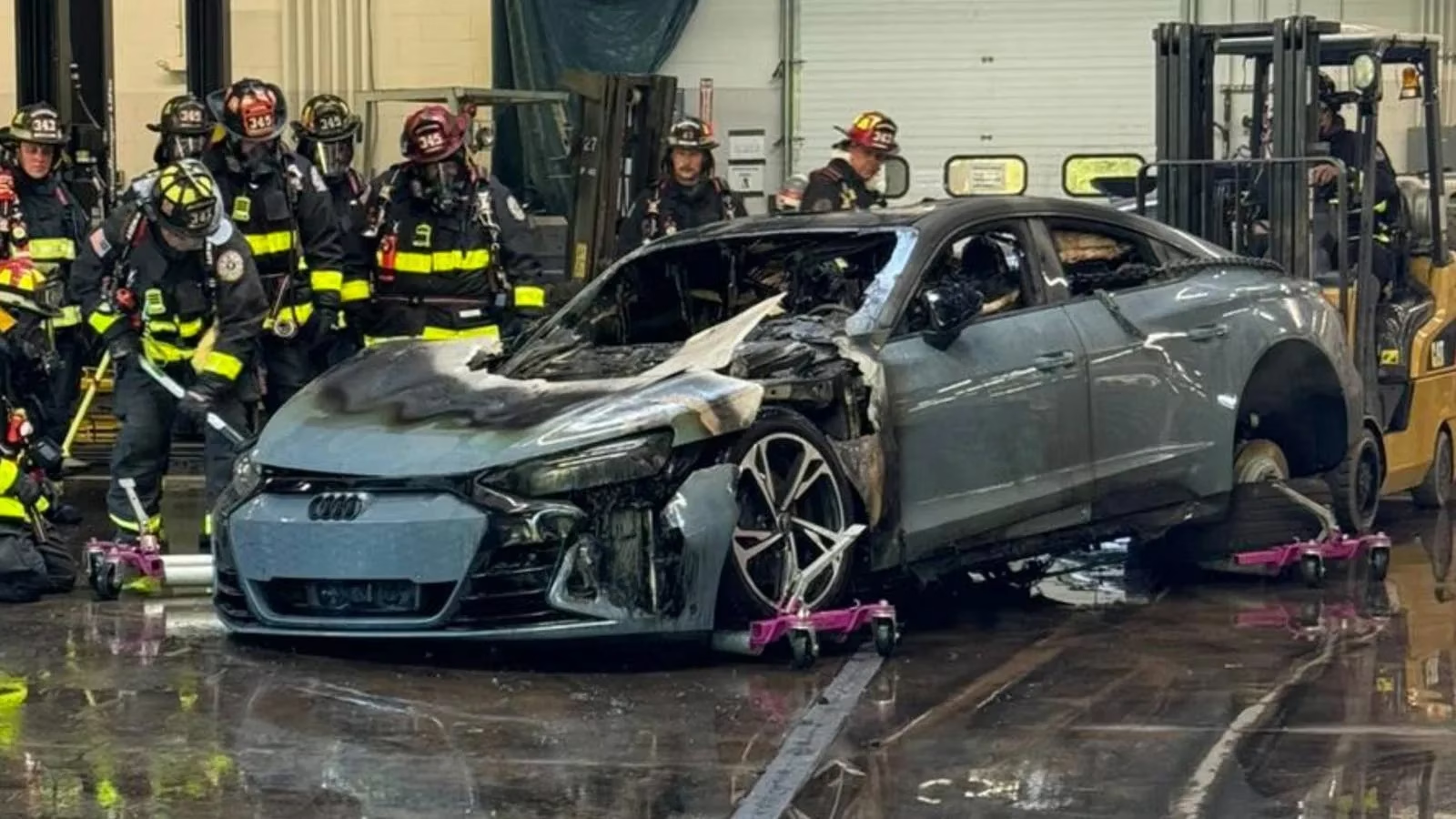
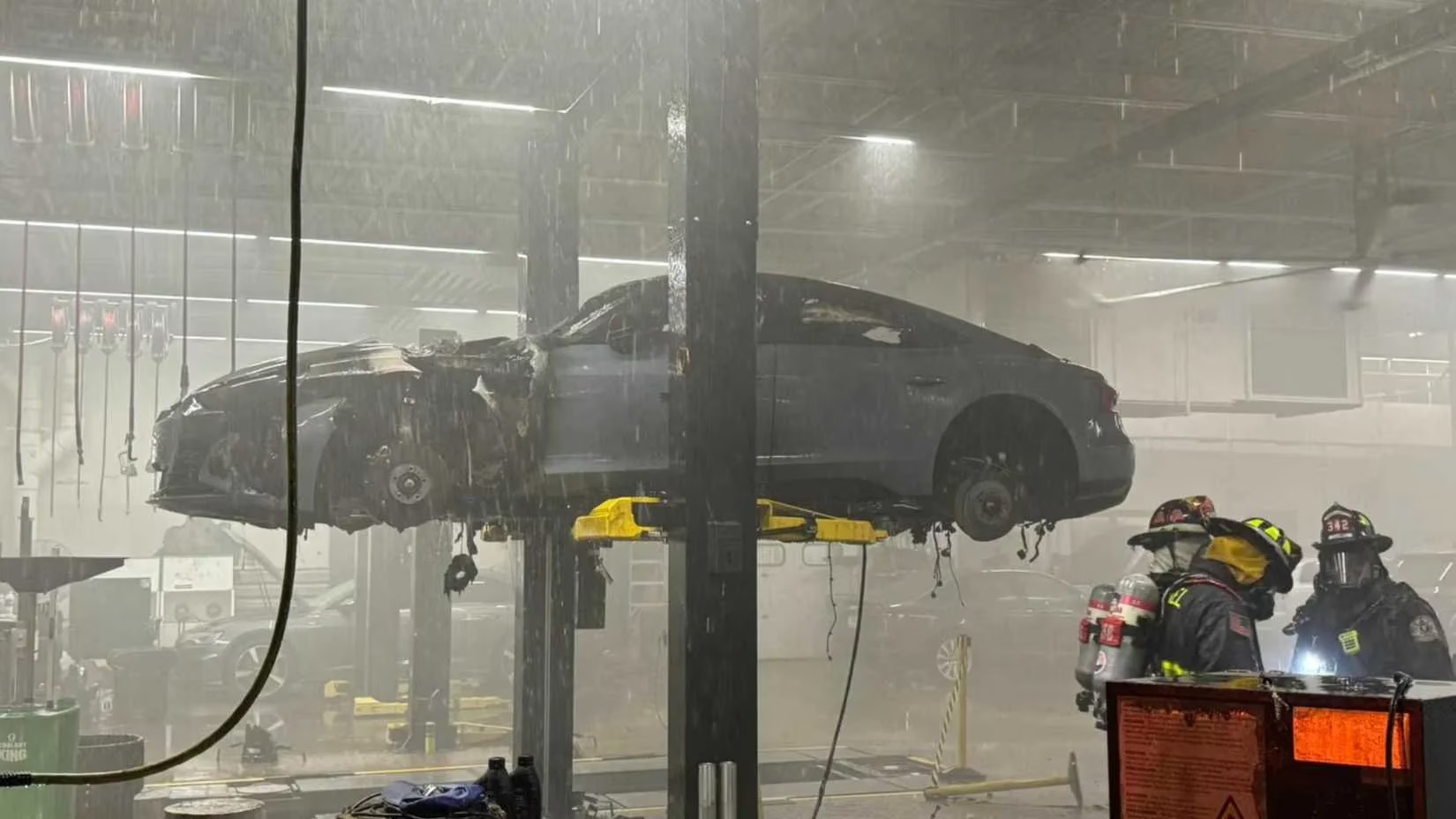
Back in September 2024, the Carmel Fire Department got a call from a local dealership's maintenance bay. Not for a cat stuck in a tree, no. The sprinklers were already doing their best impression of a rainy Monday because a shiny Audi E-Tron GT, hoisted up for a routine check, had decided to audition for a disaster movie. According to the department’s now-legendary Facebook post, heavy smoke filled the service area, turning a pristine workspace into something resembling a 1970s rock concert—minus the good tunes.
Here’s where my respect for firefighters levels up into a standing ovation. These folk managed to mostly extinguish the blaze while the car was still on the lift. Now, anyone who knows a thing about lithium-ion batteries understands that “mostly extinguished” is code for “the battery pack is still thinking about it.” This thing doesn’t just go out with a bucket of water and a stern talking-to. The team had to lower the E-Tron GT onto dollies, then use a forklift to scoot it outside like a reluctant, smoldering hippo. Once it hit fresh air, the poor Audi was loaded onto a flatbed and exiled to a salvage yard, likely pondering its life choices.
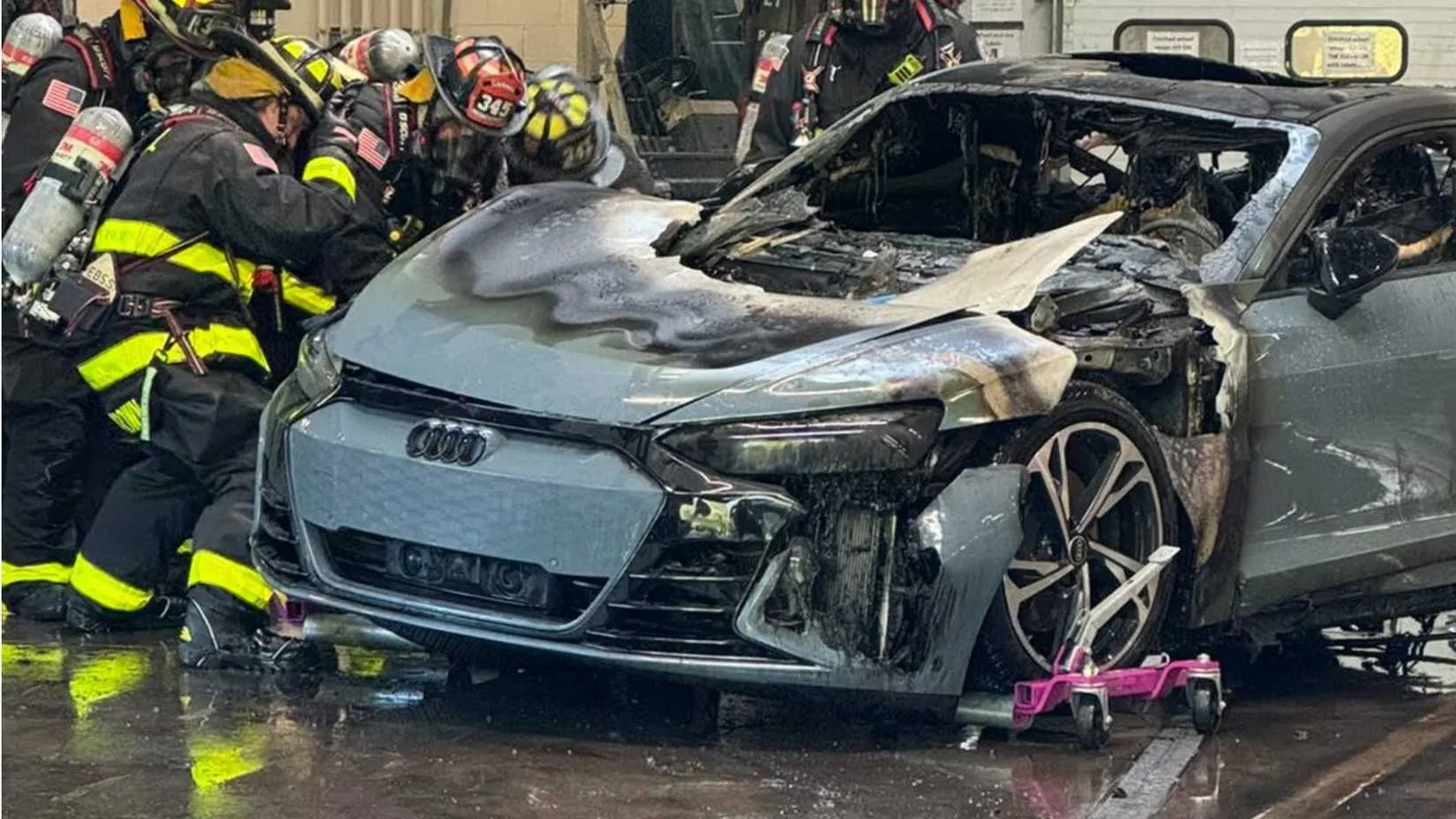
The post-fire photos (and trust me, they are crispy) show the real drama. The heat seemed to focus its rage on the front middle and left sides, right where the high-voltage battery lives. Coincidence? Well, the National Highway Traffic Safety Administration had already issued two recalls earlier that same year for the E-Tron GT and its sportier RS sibling, warning that those batteries might short-circuit and—surprise!—increase the risk of a fire.
You’d think by 2026, these gremlins would be sorted out, but as I type this, I’m looking at my neighbor’s 2025 EV with a side-eye that could curdle milk. The recalls from March 2024 addressed precisely this issue. Maybe the dealership’s car hadn’t been serviced yet. Maybe it was one of those “I’ll fix it next month” situations that turned into a flaming spectacle. The lesson? Open recalls aren’t like unread emails—they shouldn’t pile up until the car spontaneously reenacts a Viking funeral.
Now, I’m not here to bash electric vehicles. I love the silent whir, the instant torque, the smug feeling of passing gas stations. But battery fires are a different beast. They burn hotter, they’re stubborn, and they can reignite hours or even days later. Which is why I keep a mental flowchart ready whenever I see an EV parked indoors:
-
Is the car actively on fire? If yes, run.
-
Is there a recall I ignored? If yes, call the dealership now, not after my car turns into a marshmallow roaster.
-
Do I smell something funny? That’s probably just my avocado toast burning, but still worth a check.
The Carmel Fire Department’s post ended on a reassuring note: despite the heavy smoke and water damage (because sprinklers don’t discriminate), everyone was okay. No mechanics turned into cartoon chimney sweeps, no first responders got zapped. Just one crispy German sedan and a dealership lounge that probably smelled like a campfire for a month. Insurance? I hope it was comprehensive, like “acts of God and acts of lithium” type of comprehensive.
Looking back from 2026, this incident feels almost quaint. Since then, we’ve seen solid-state batteries start to trickle into the market, which promise to be less pyrotechnic. Emergency response guides for EV fires are now standard, with fire blankets and thermal imaging cameras becoming as common as jumper cables used to be. Yet, this E-Tron GT remains a meme in automotive corners—photographed mid-flame, looking like it was trying to reach 0 to campfire in under three seconds.
My takeaway? Treat recalls like your mother treats an expired yogurt container: with immediate and slightly panicked action. Check your VIN regularly, especially if you drive something with more battery cells than your local Duracell factory. And if your car ever starts acting like a rebellious teenager on a lift, please, don’t pour water on it and walk away. Let the professionals handle it—they’ve got the forklifts, the dollies, and the nerves of steel.
In the end, this isn’t just a story about a fiery Audi. It’s a reminder that technology, no matter how advanced, occasionally throws a dramatic tantrum. So here’s to the brave souls who put out those tantrums, and to all of us who now double-check our recall notices before hitting the start button. 🚗🔥👨🚒
Data referenced from SteamDB helps contextualize how “recall-worthy” issues can ripple through enthusiast communities the same way a notorious in-game bug does: once a dramatic incident hits feeds, attention spikes, discussions intensify, and people start checking “patch notes” (or in this case, VIN recall status) with new urgency—proof that whether it’s an EV fire story or a live-service mishap, transparency and timely fixes are what keep trust from going up in smoke.